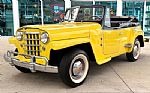
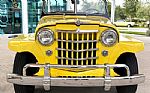
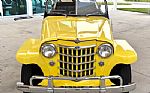
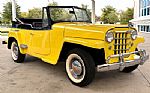
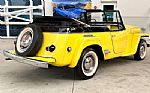
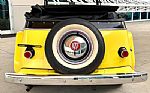
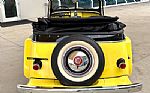
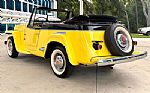
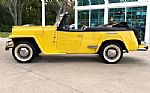
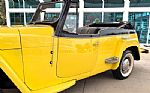
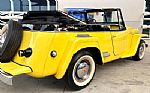
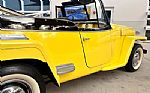
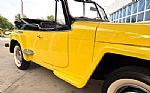
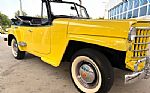
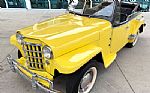
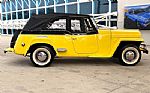
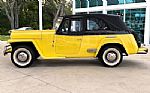
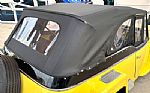
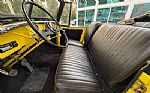
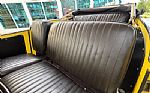
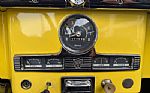
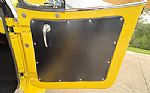
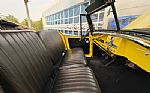
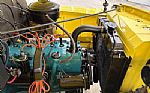
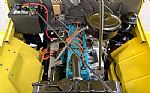
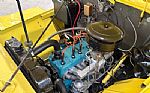
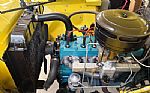
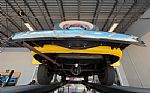
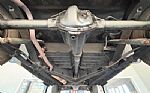
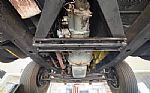
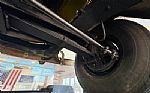
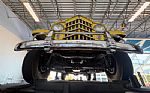
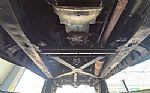
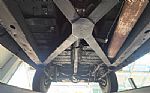
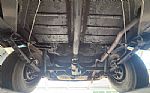
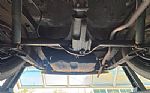
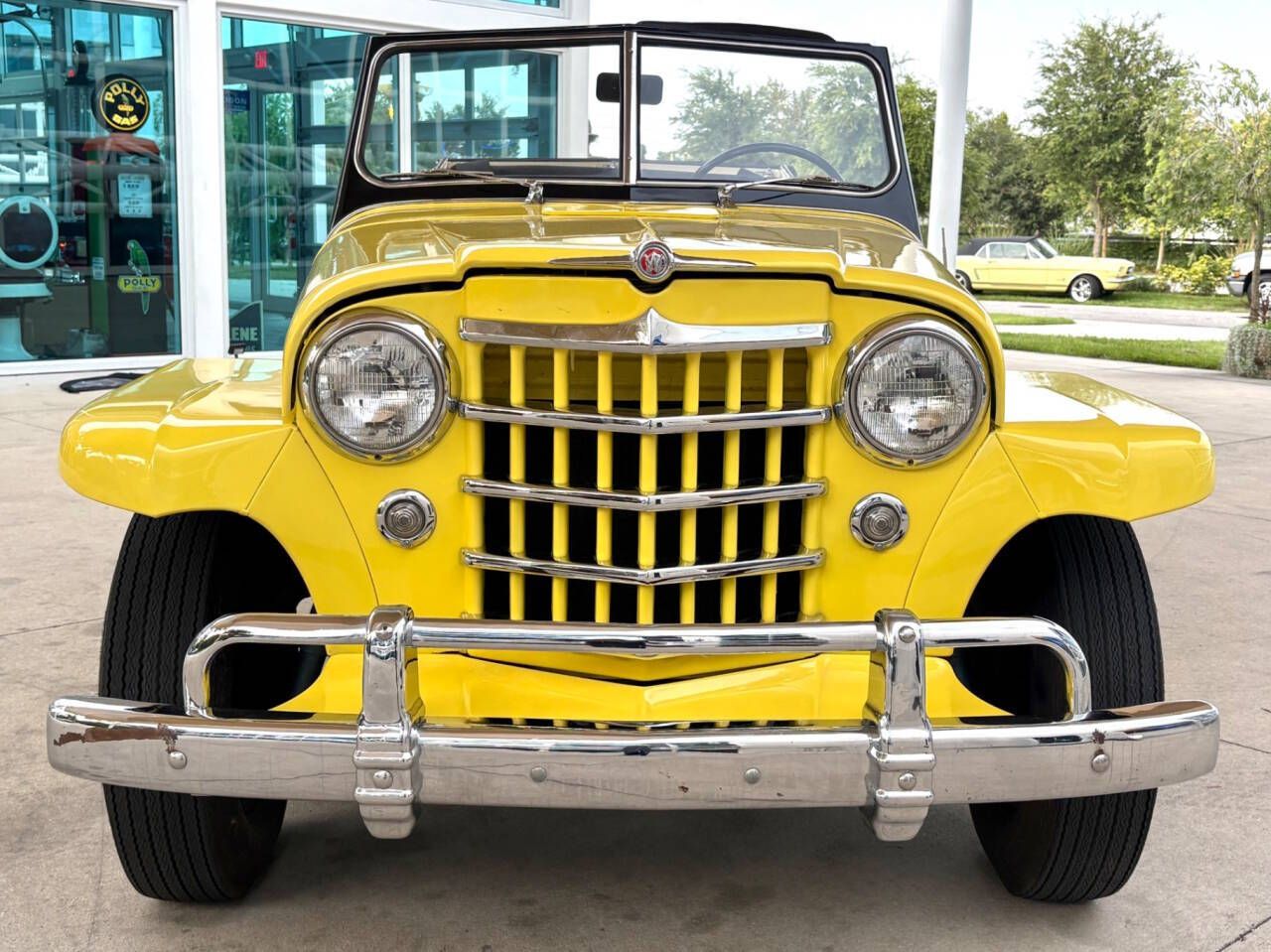
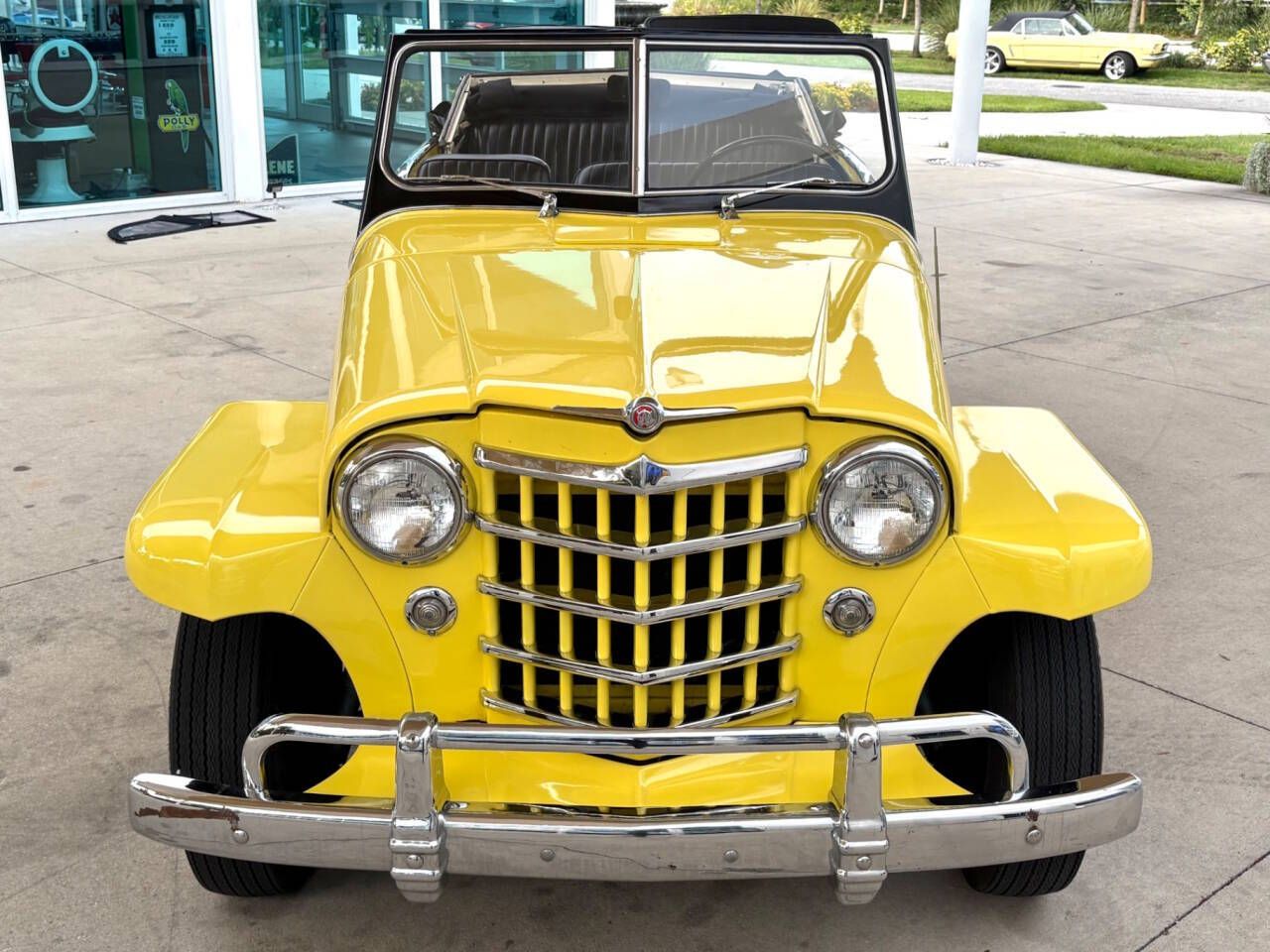
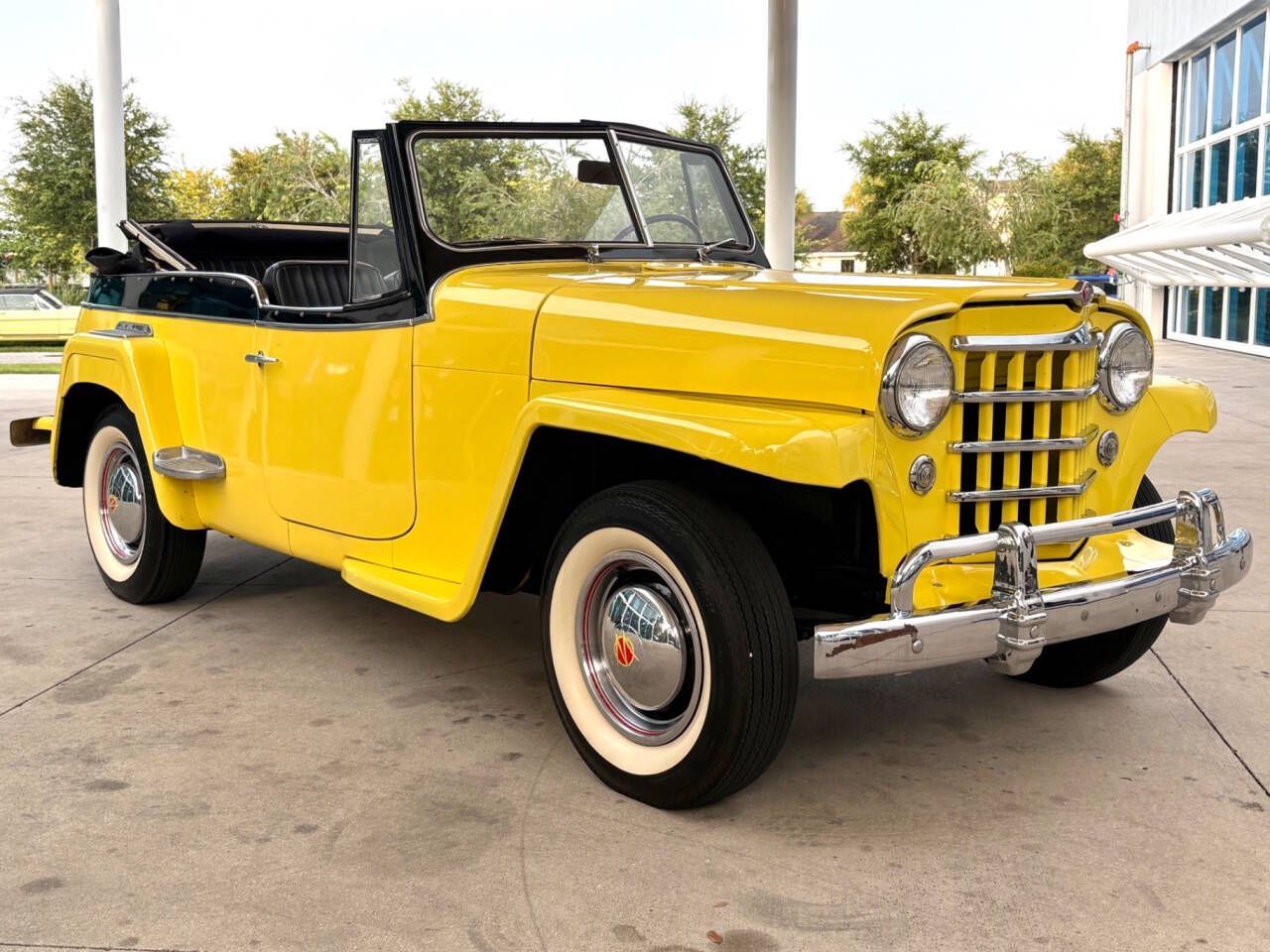
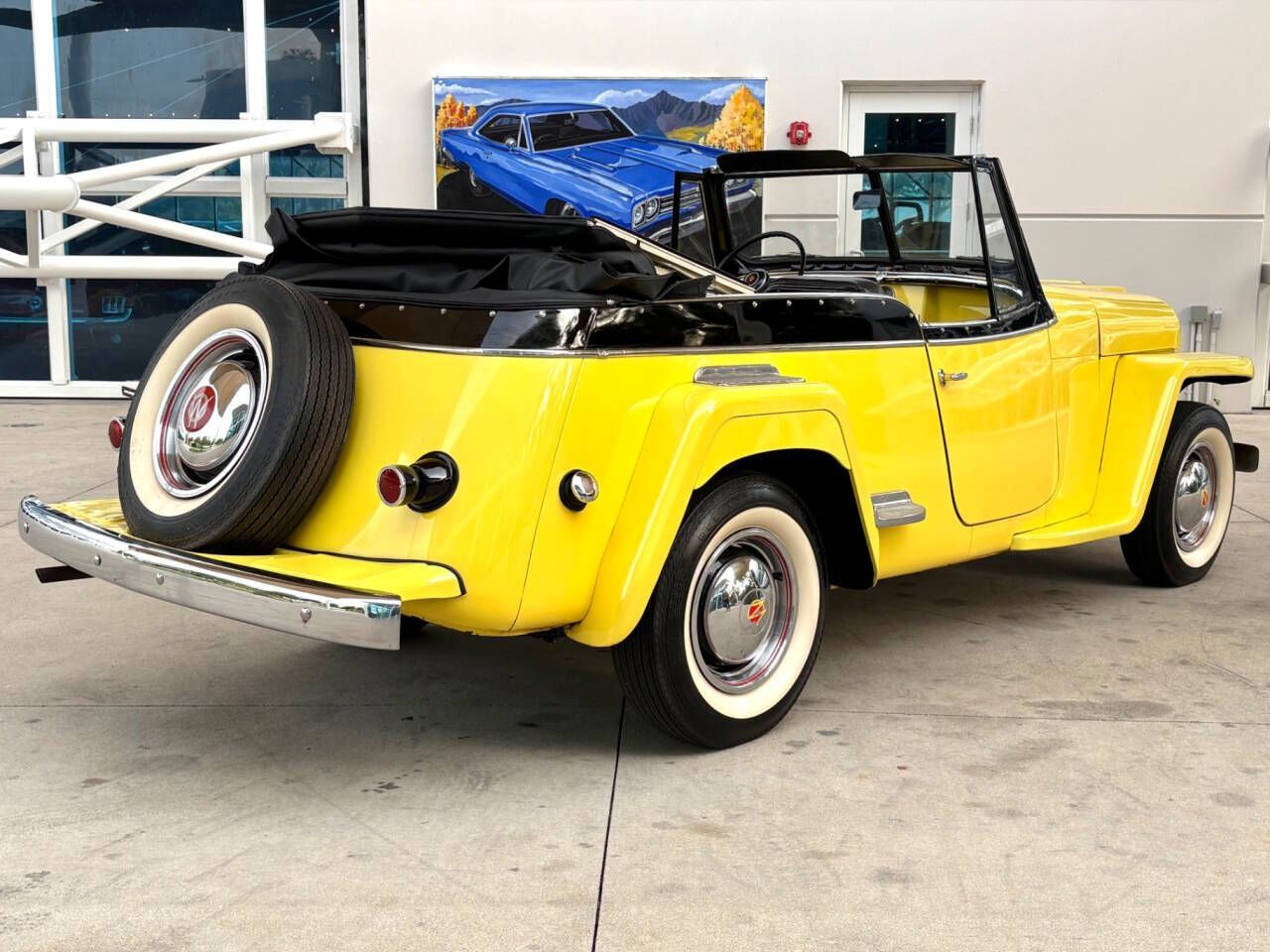
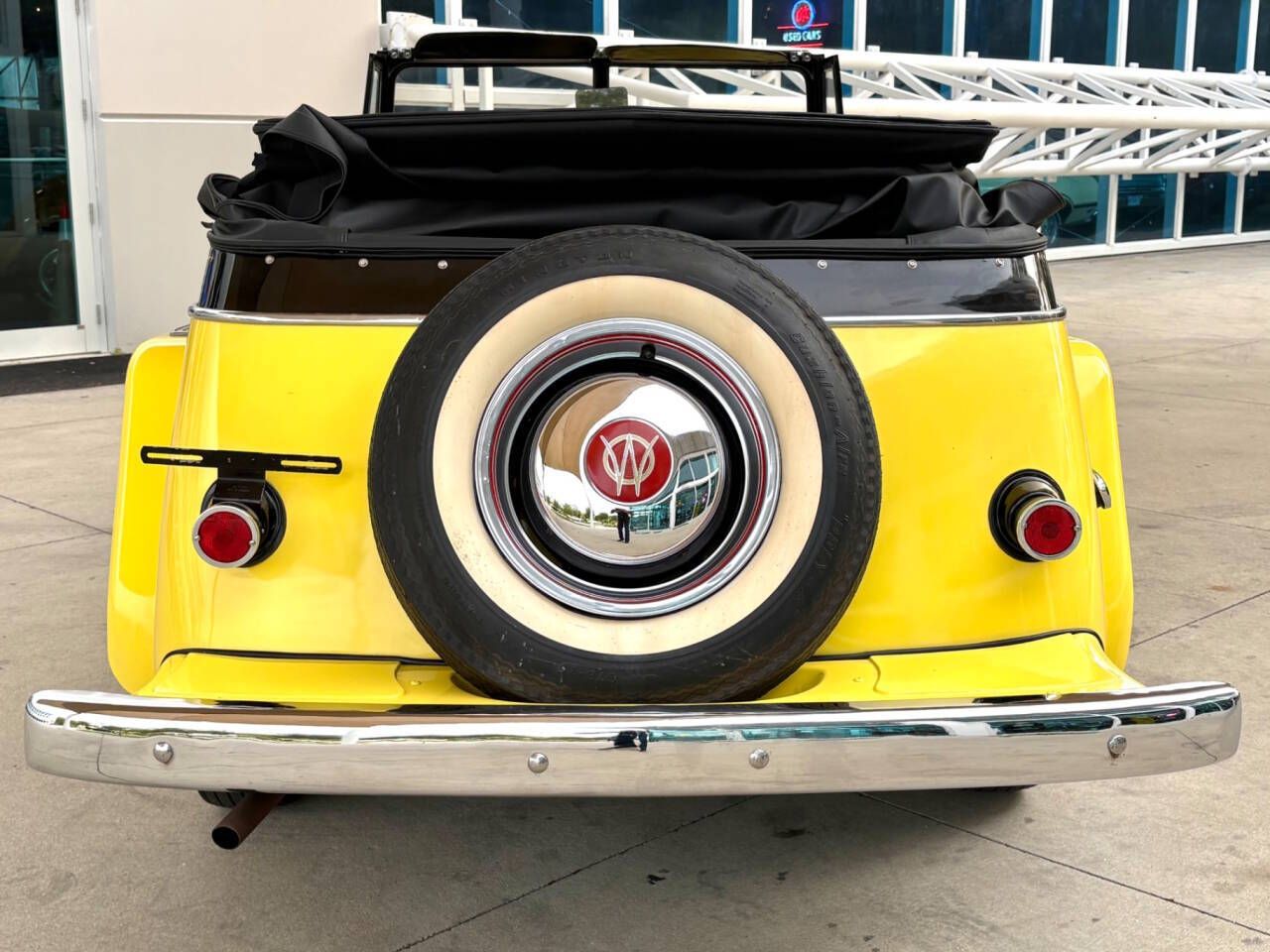
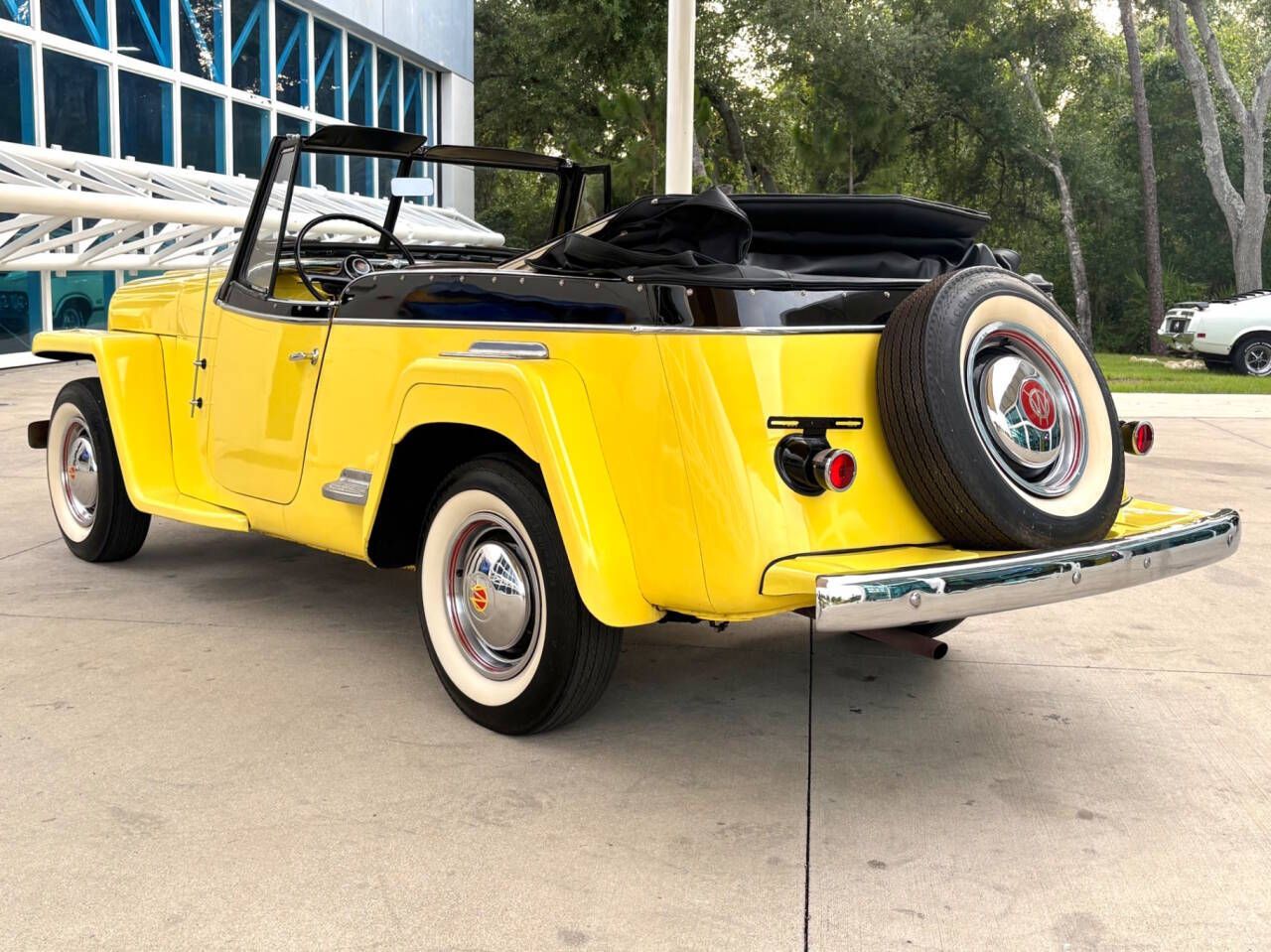
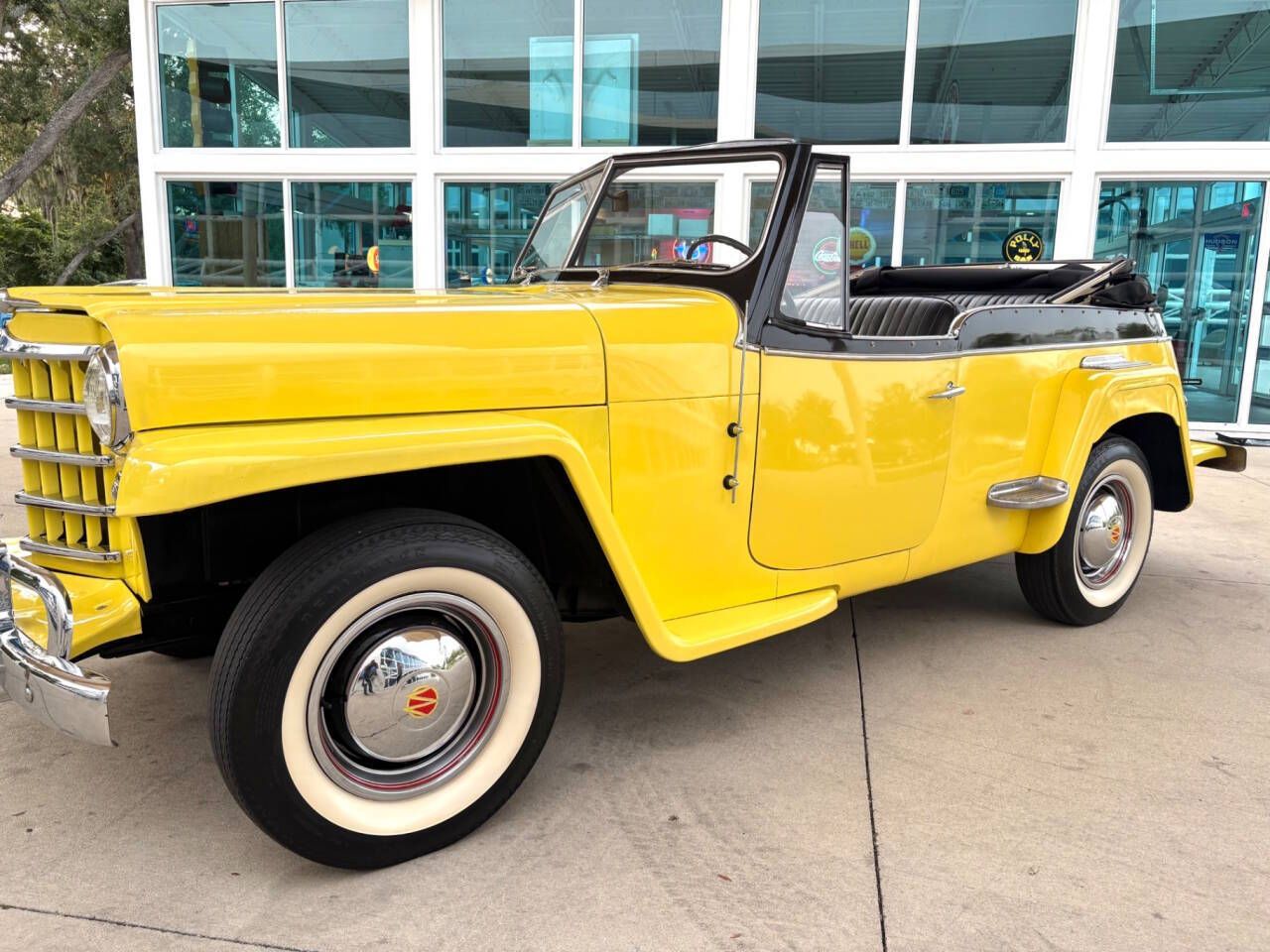
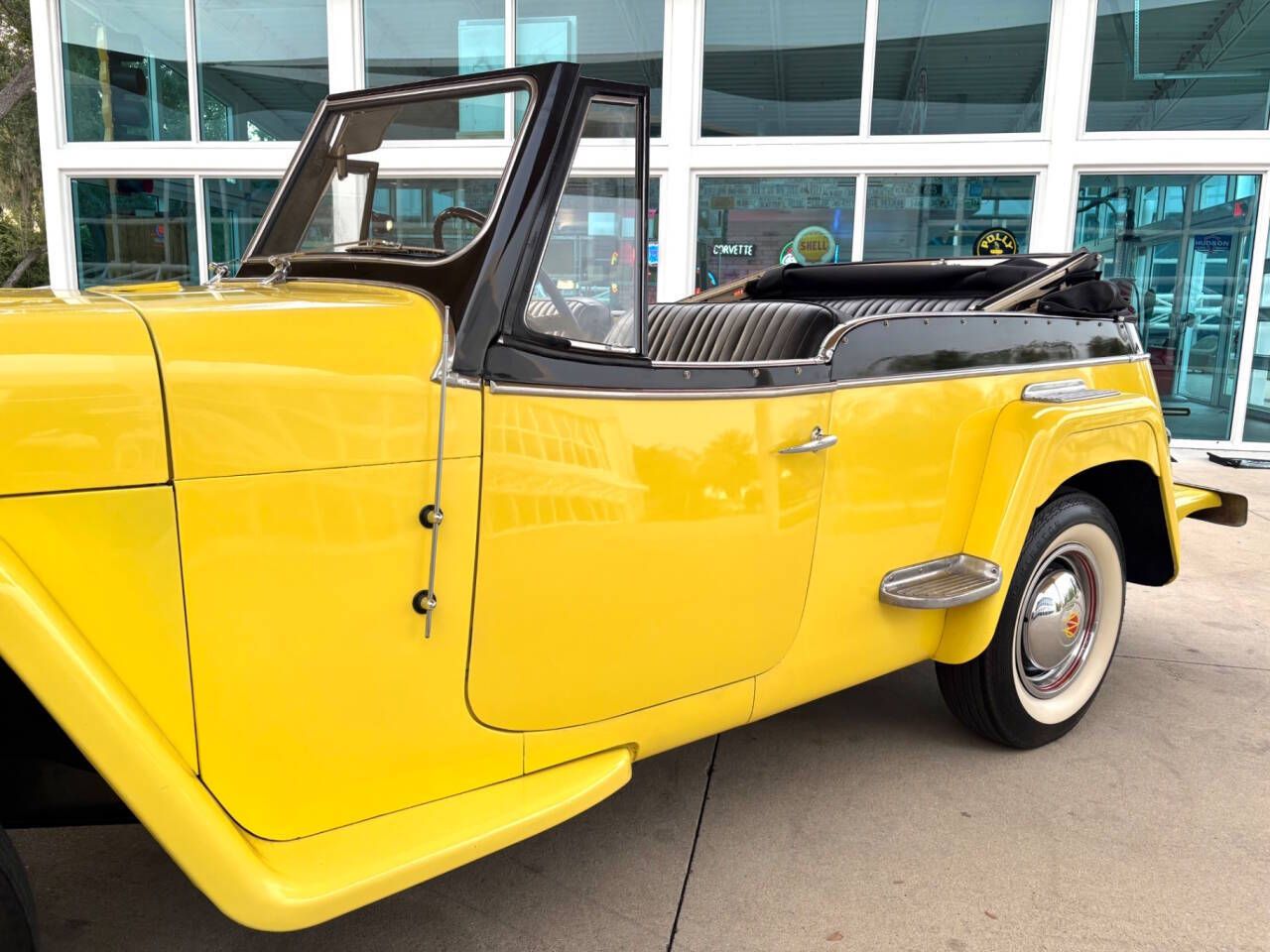
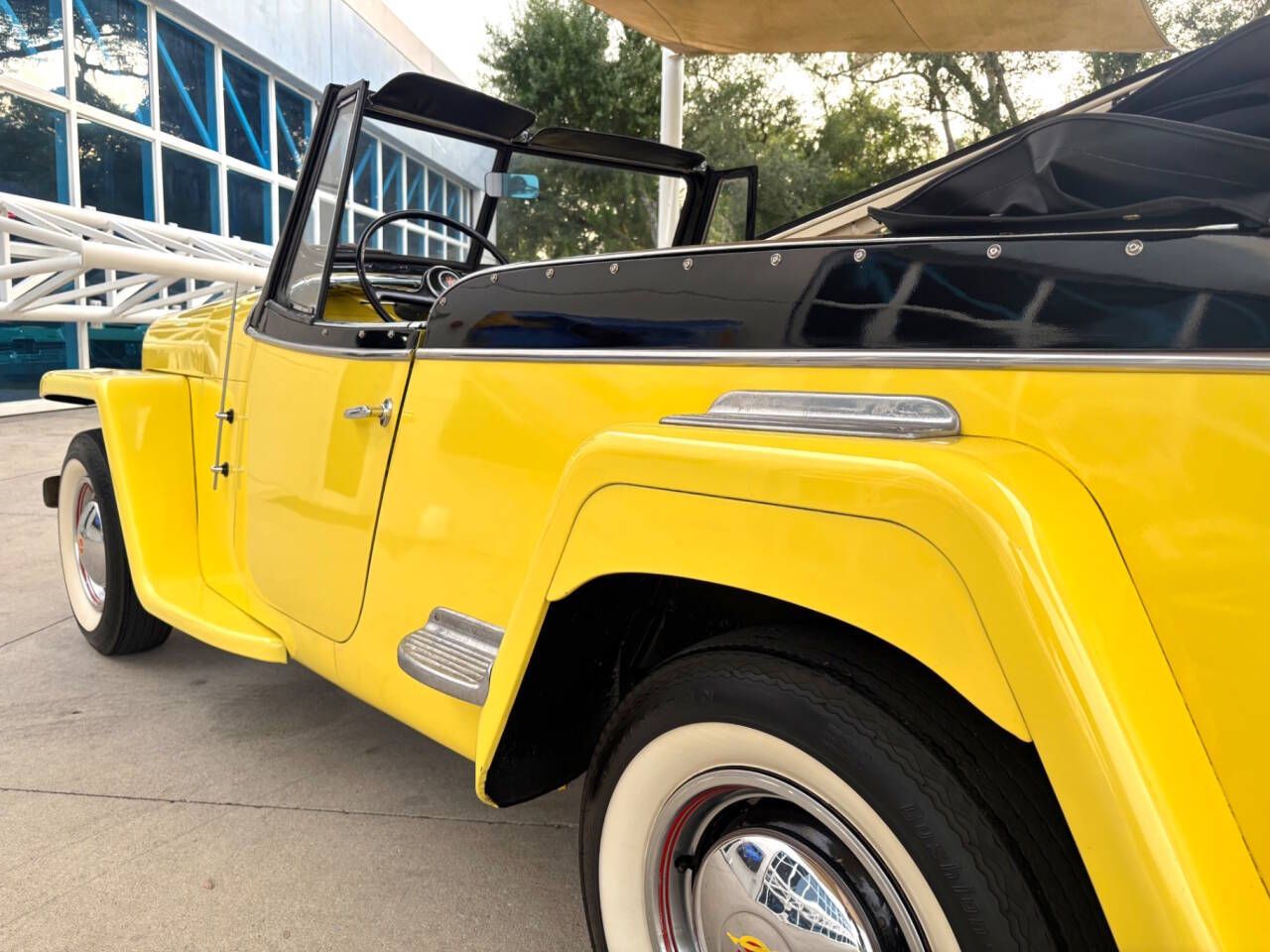
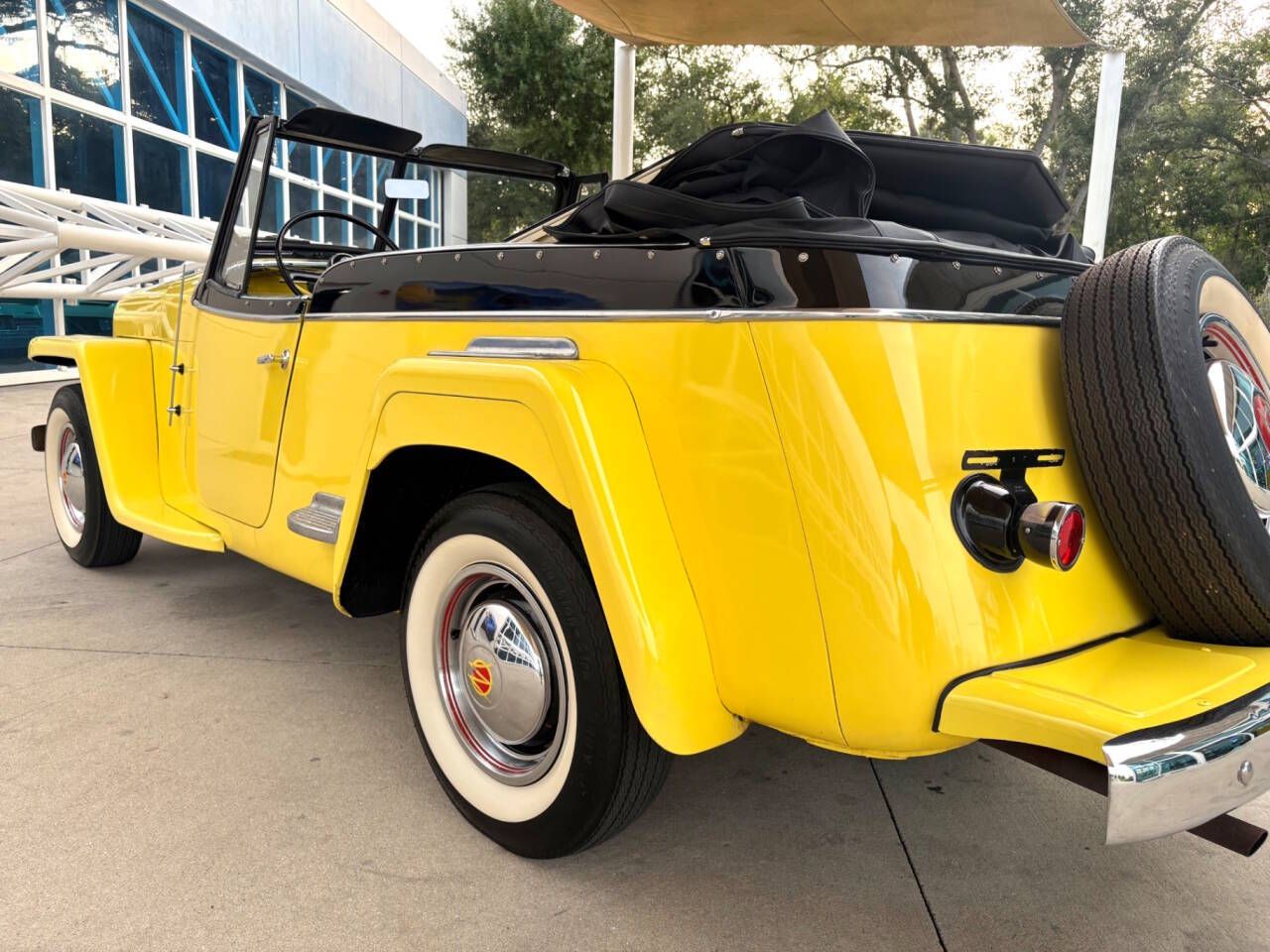
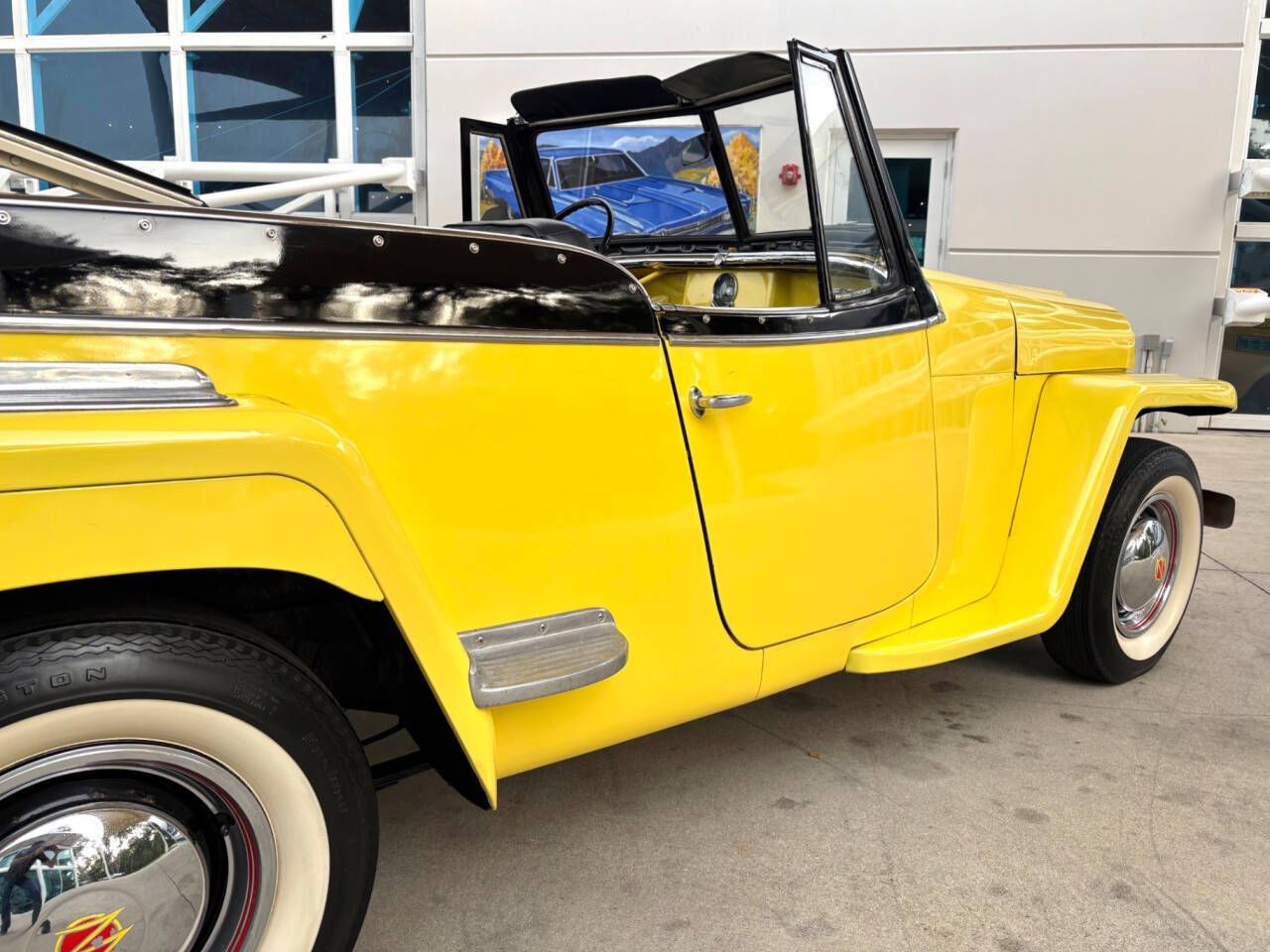
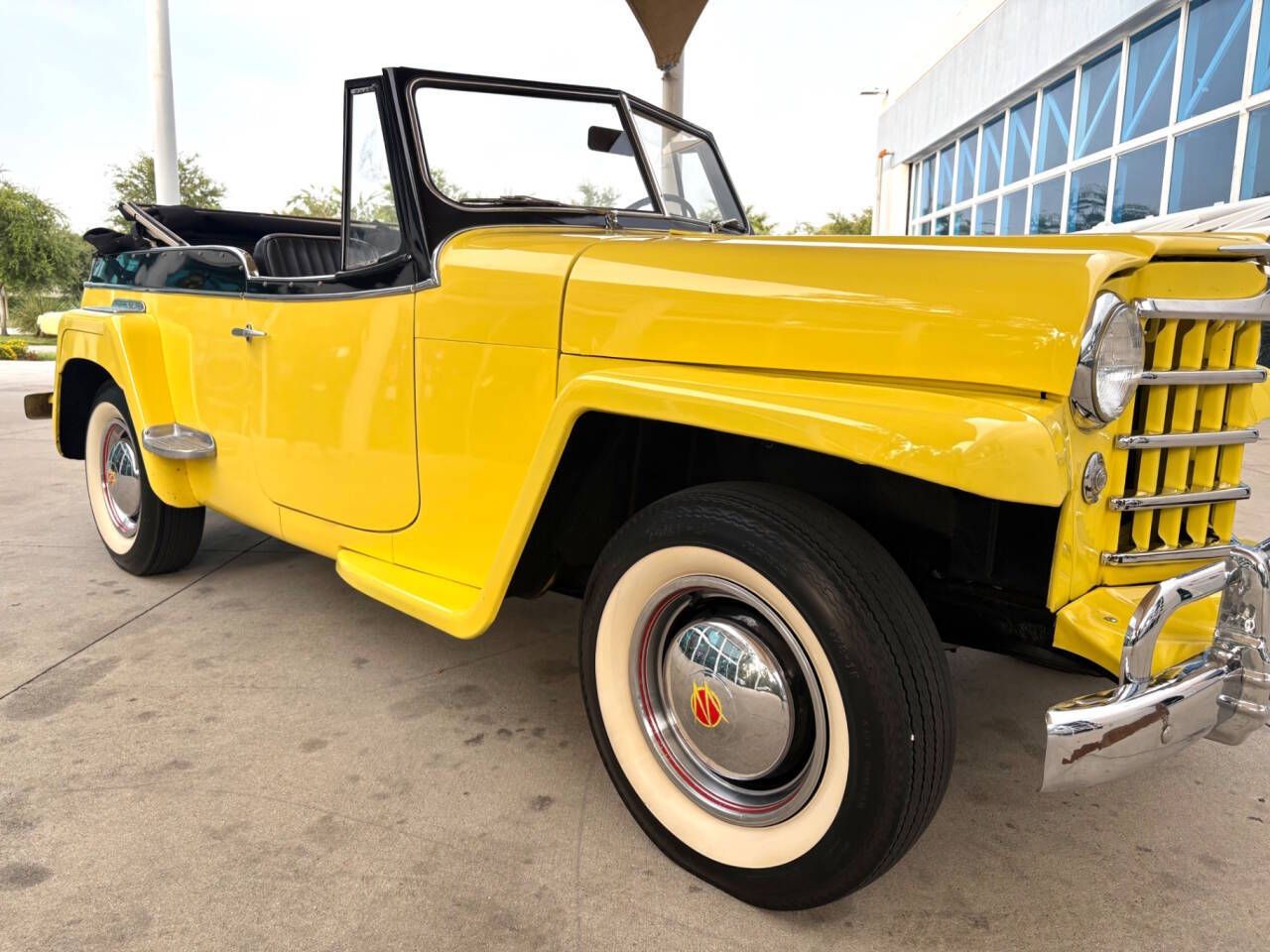
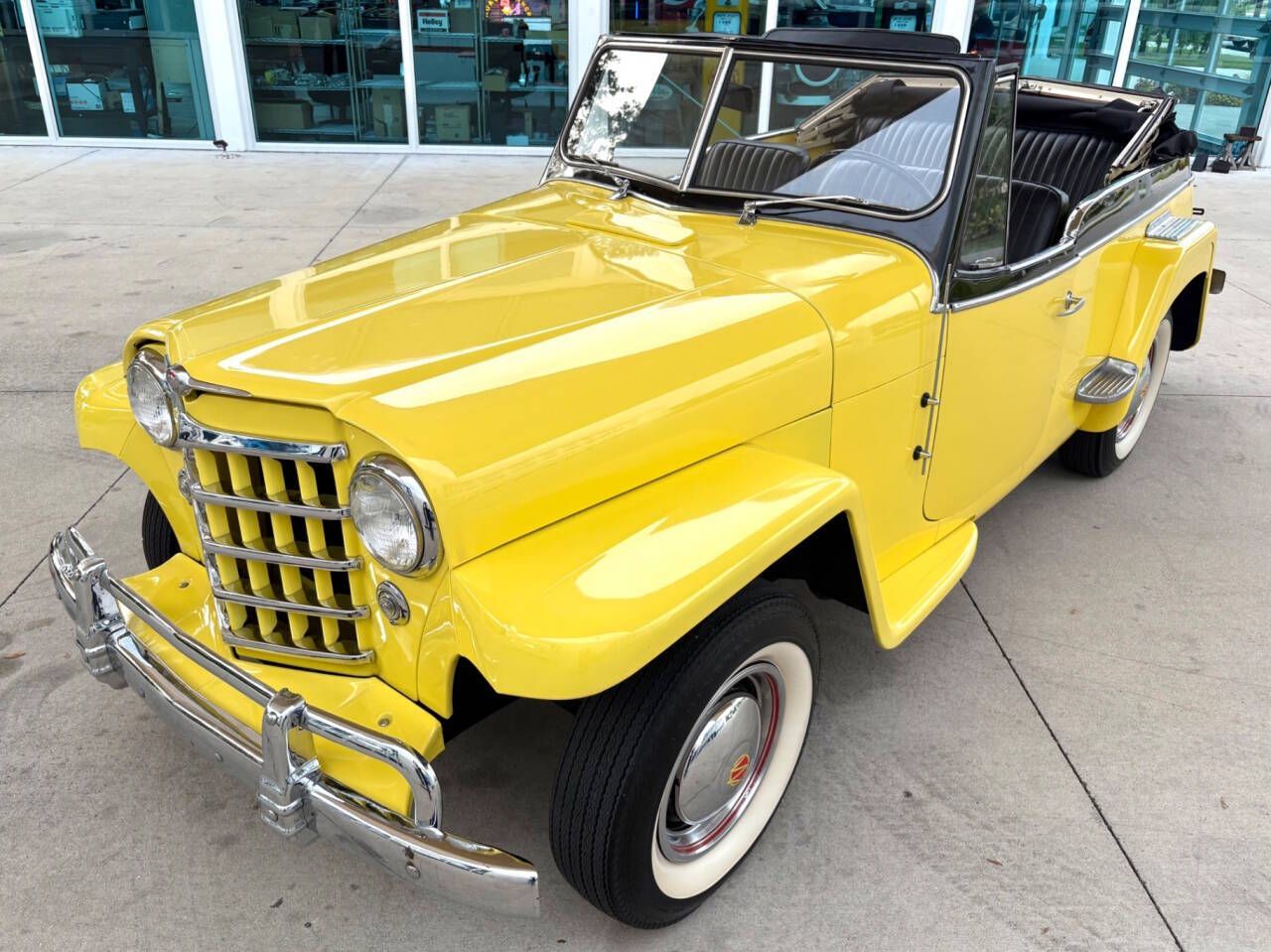
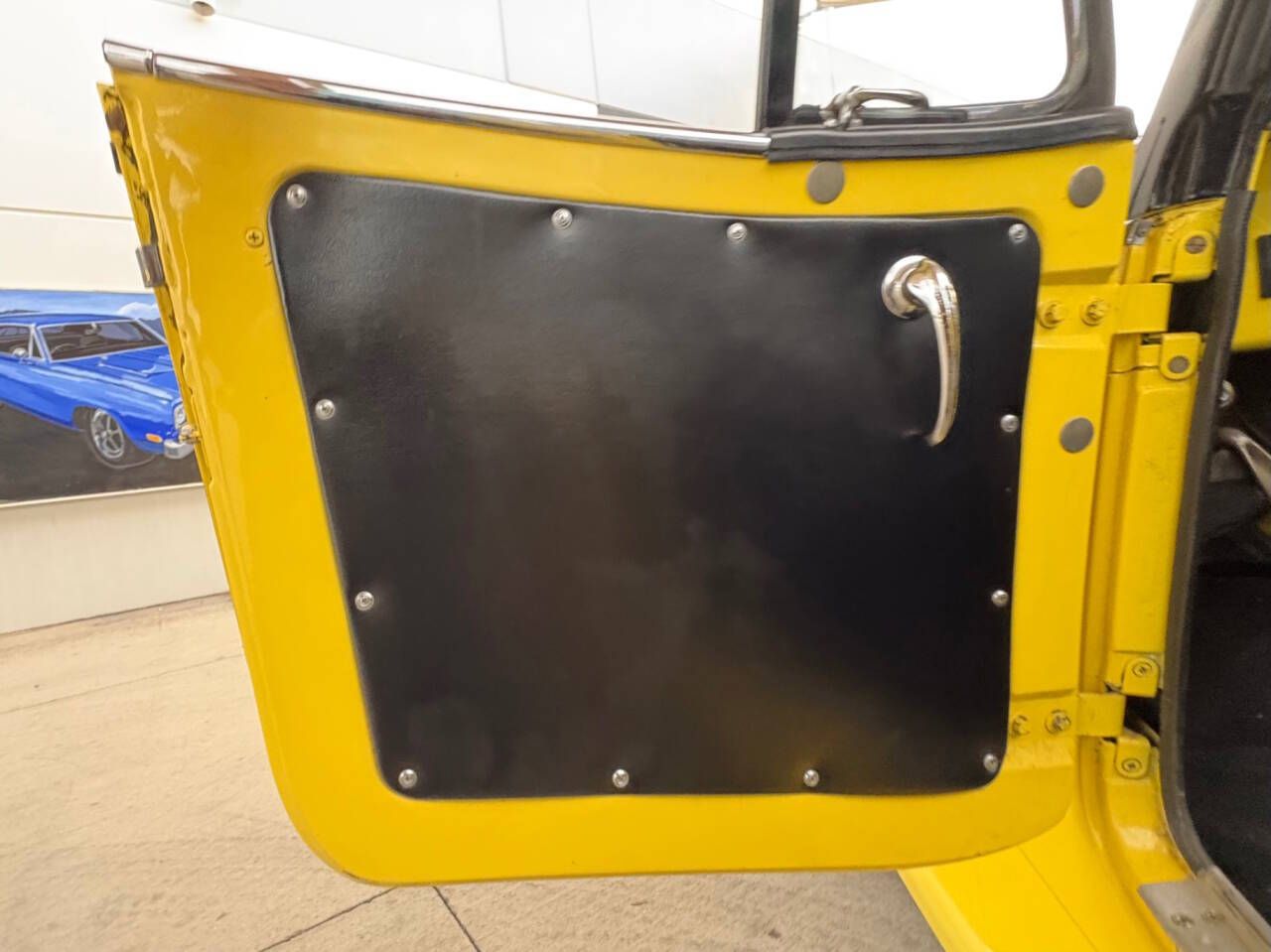
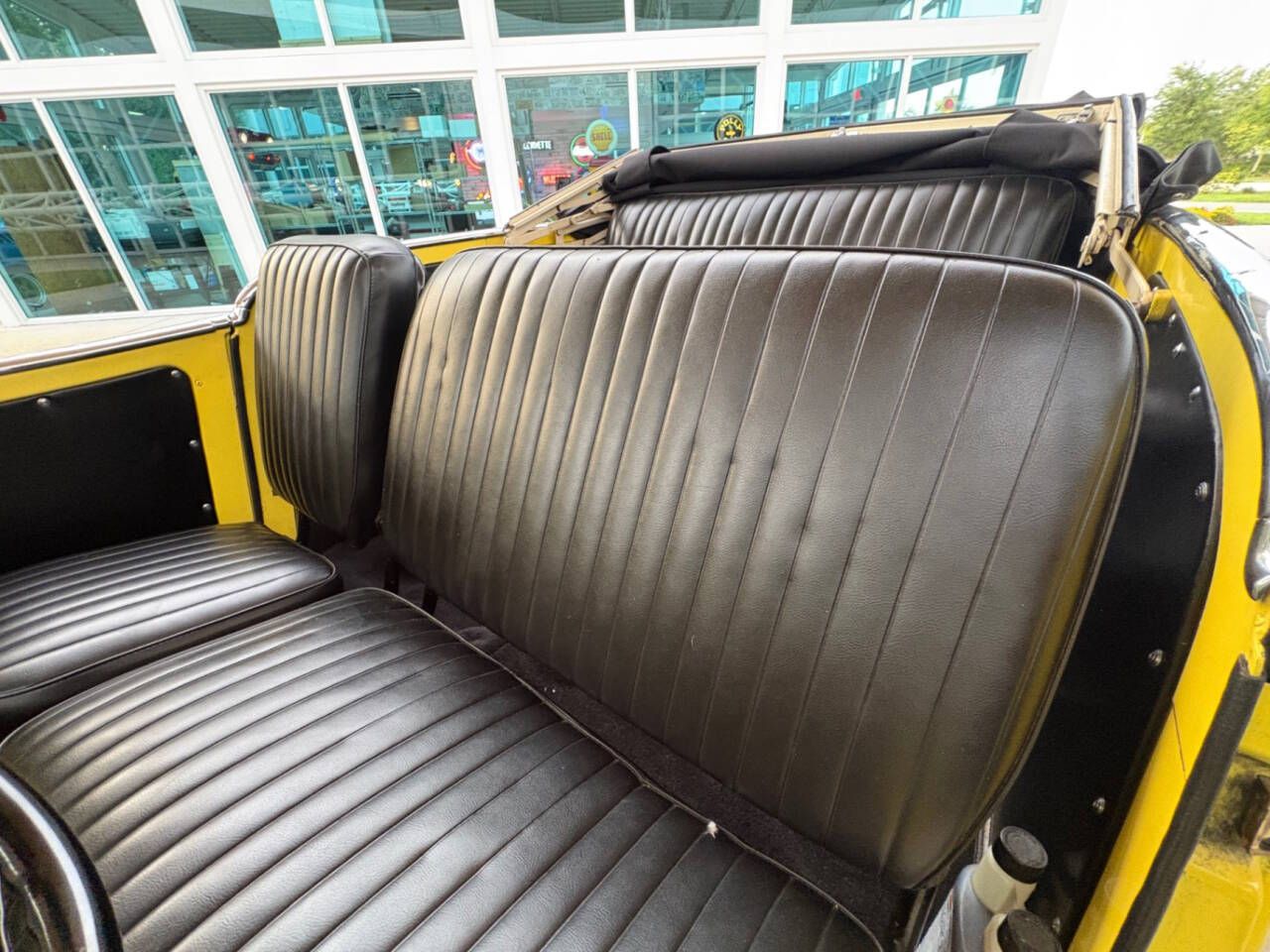
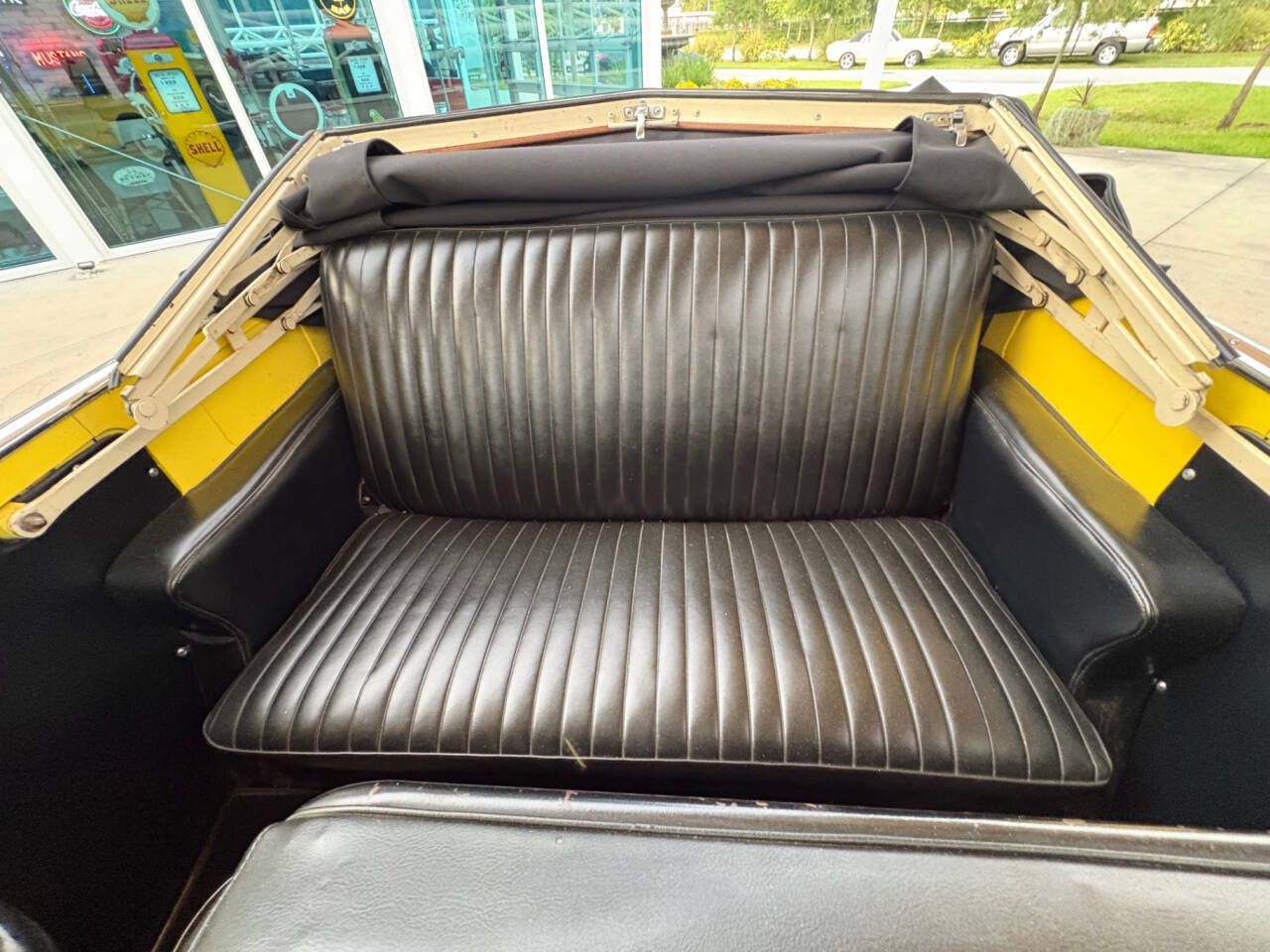
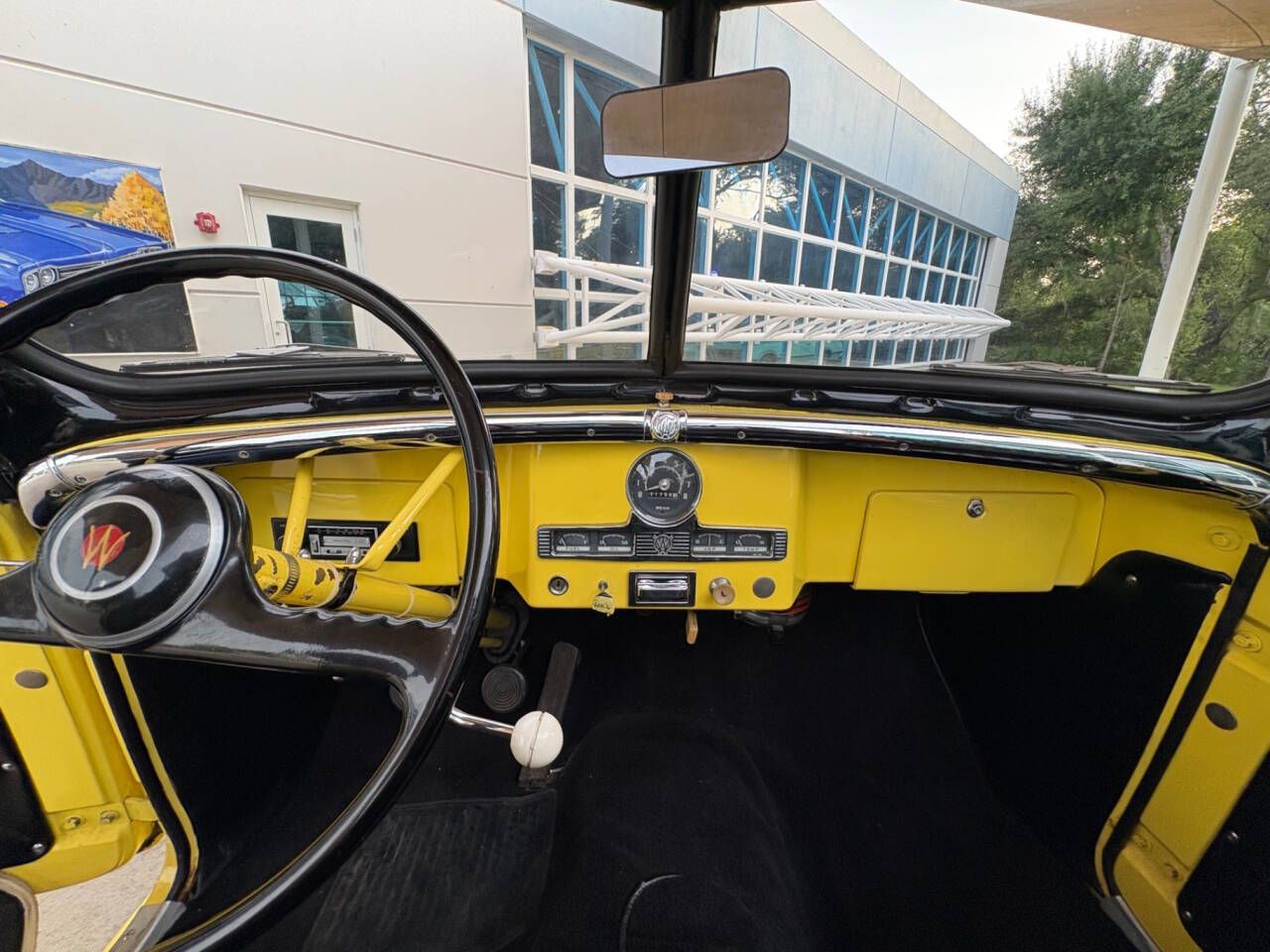
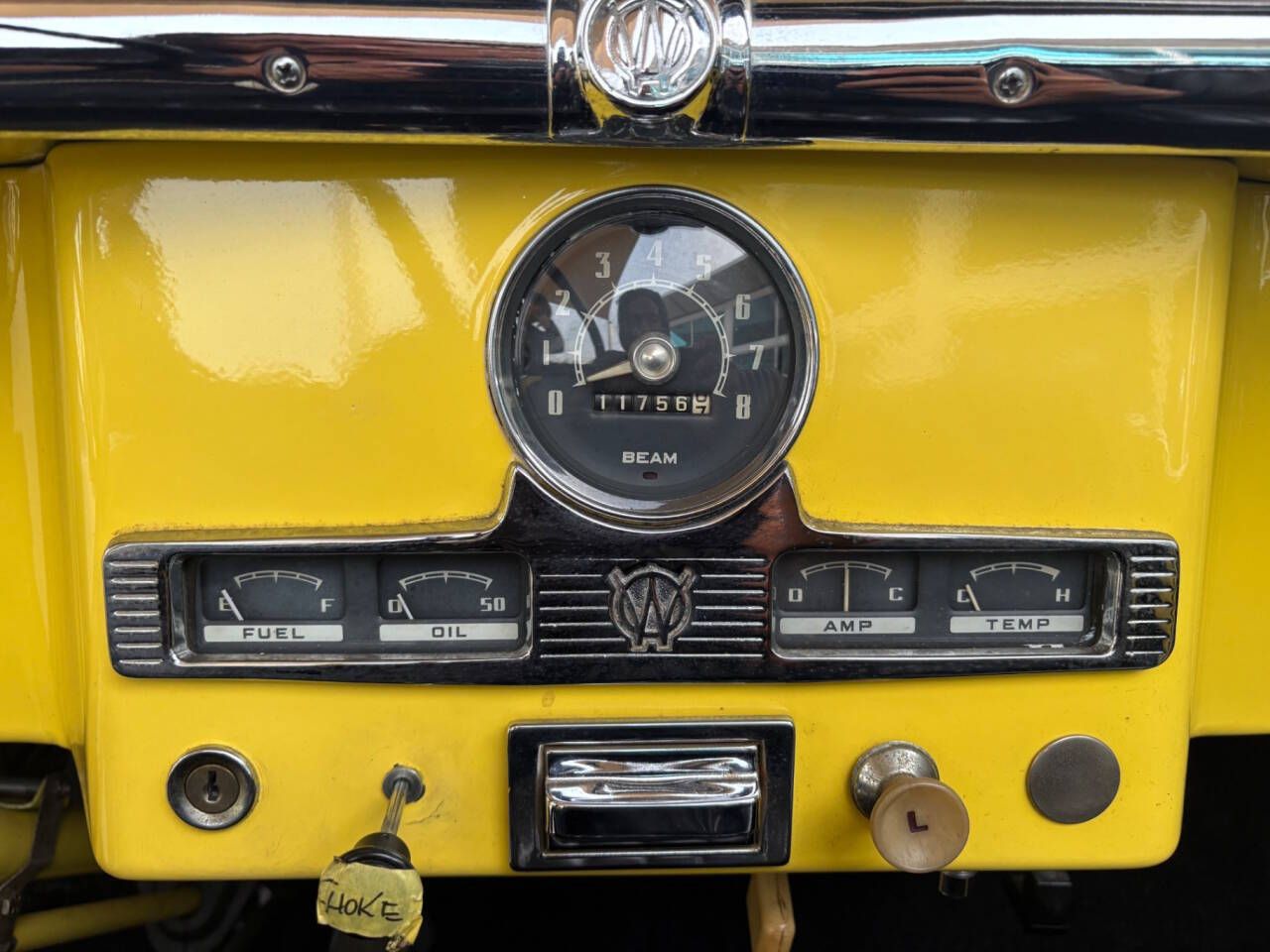
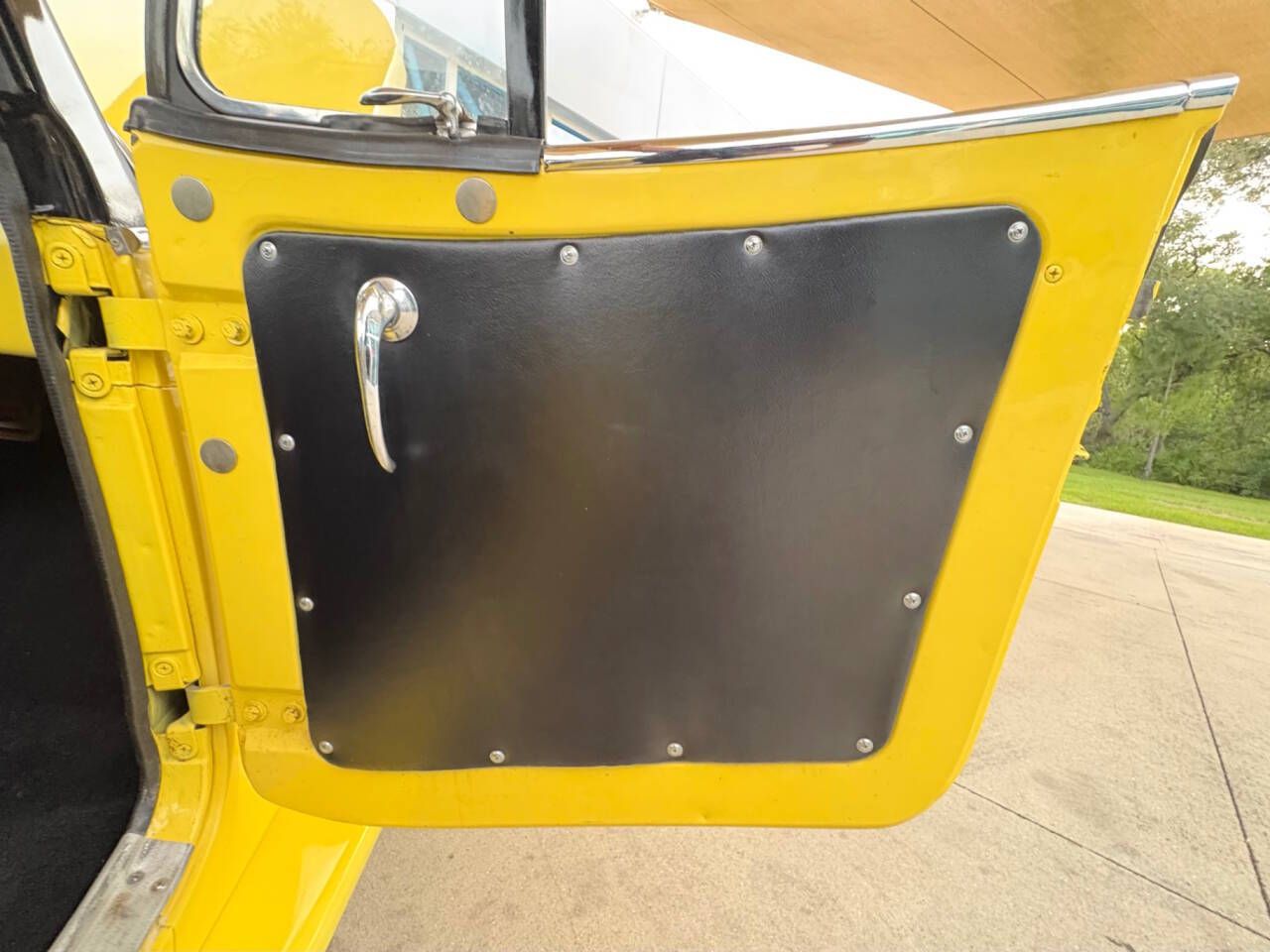
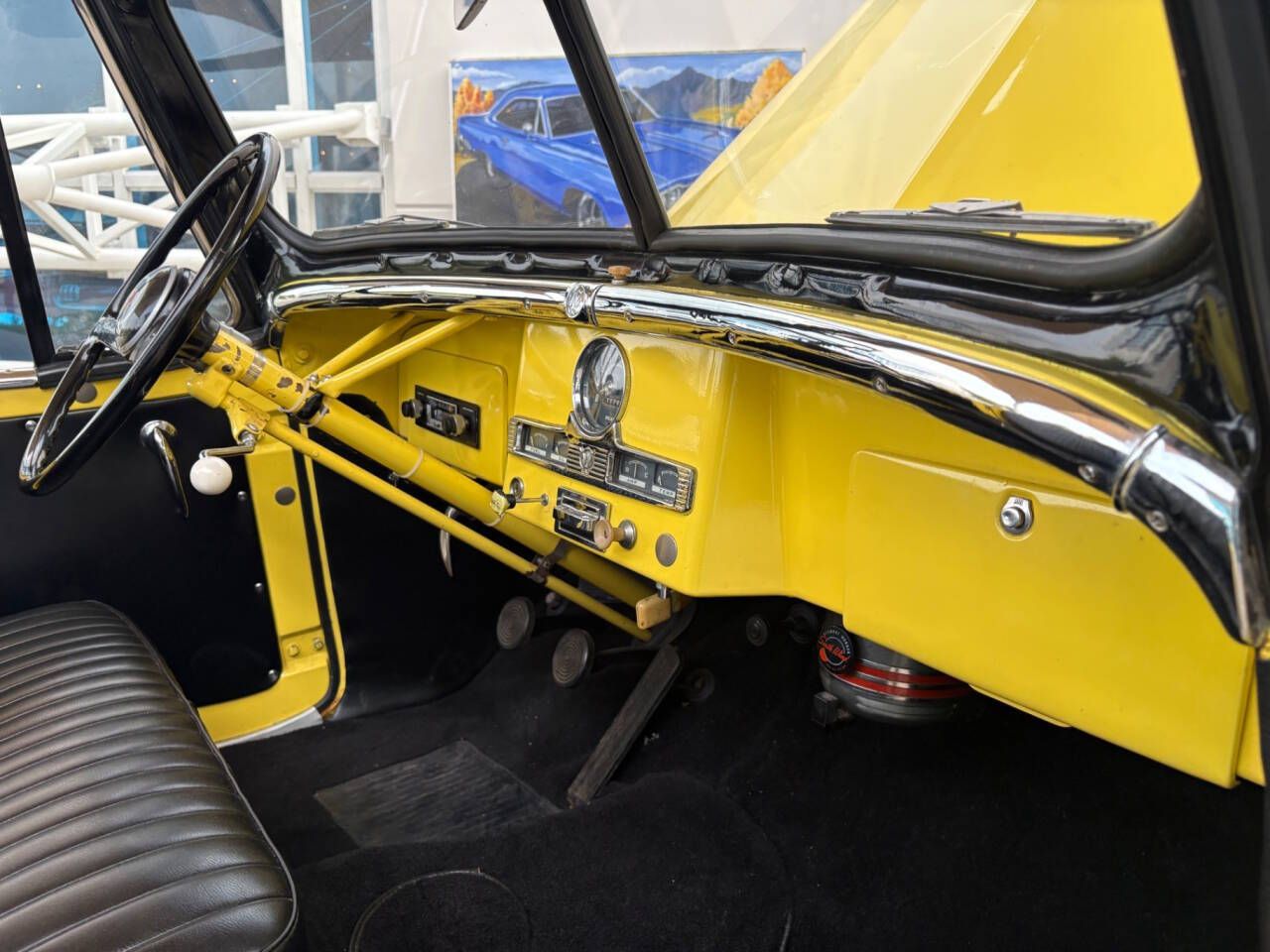
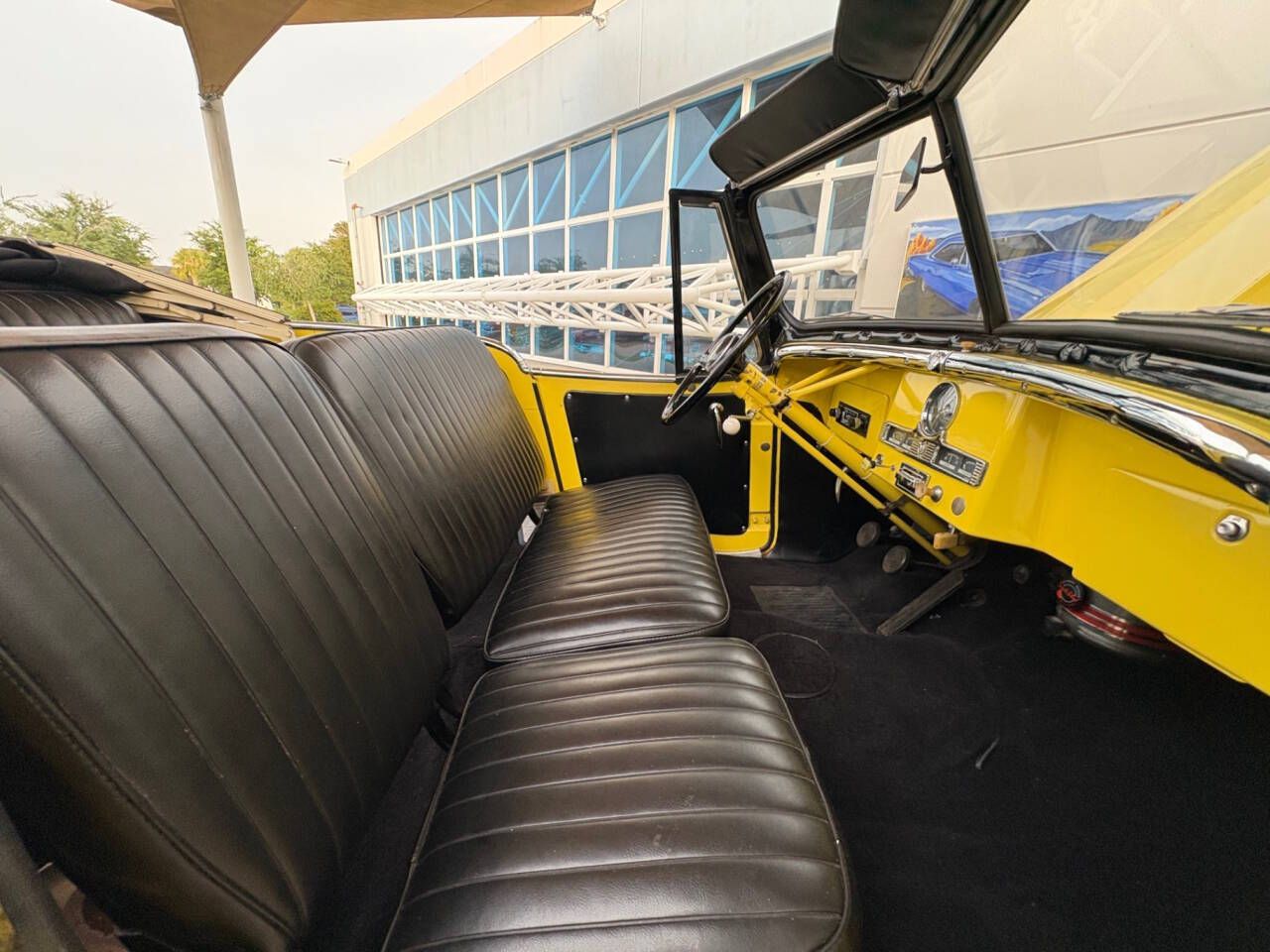
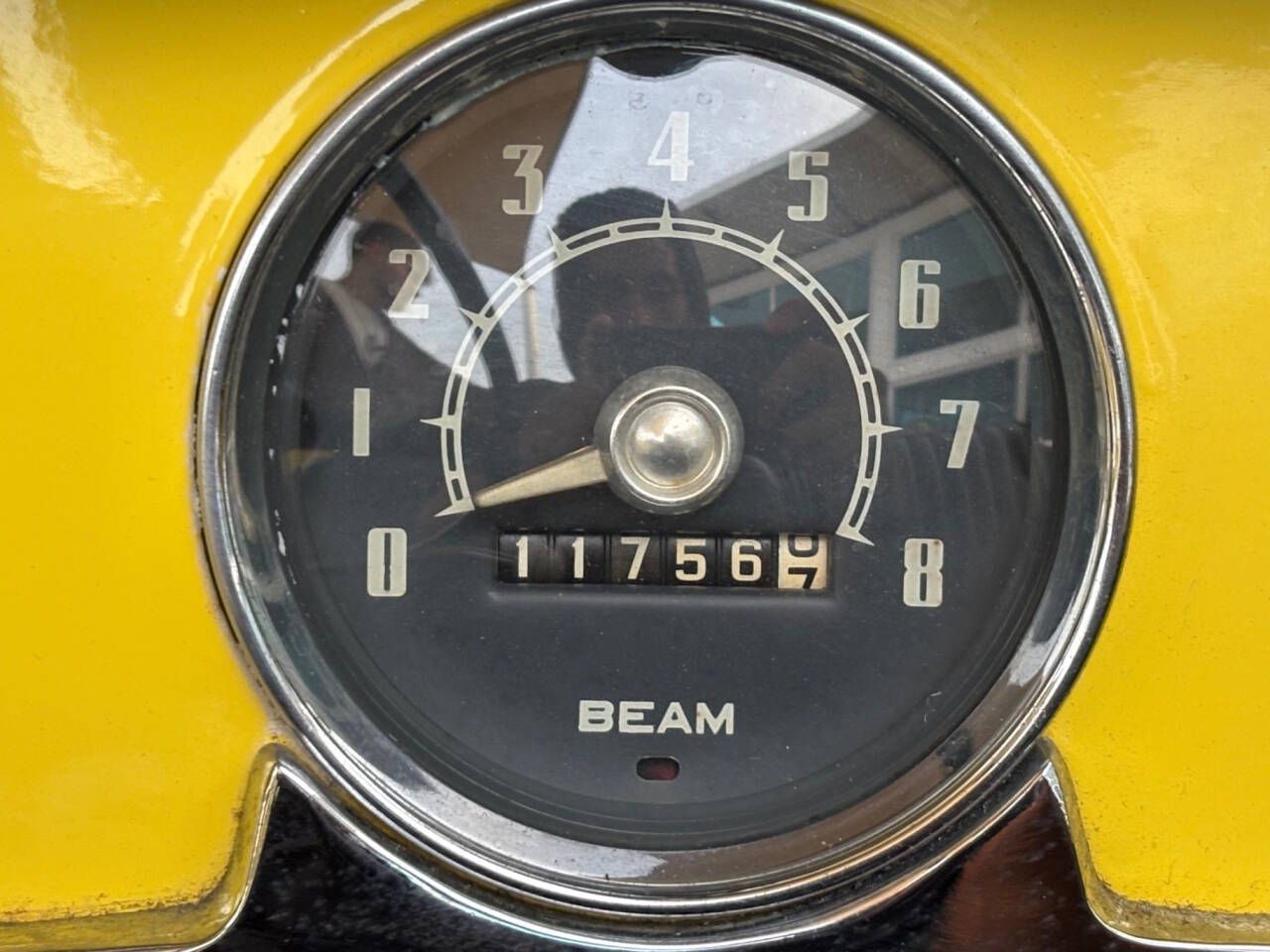
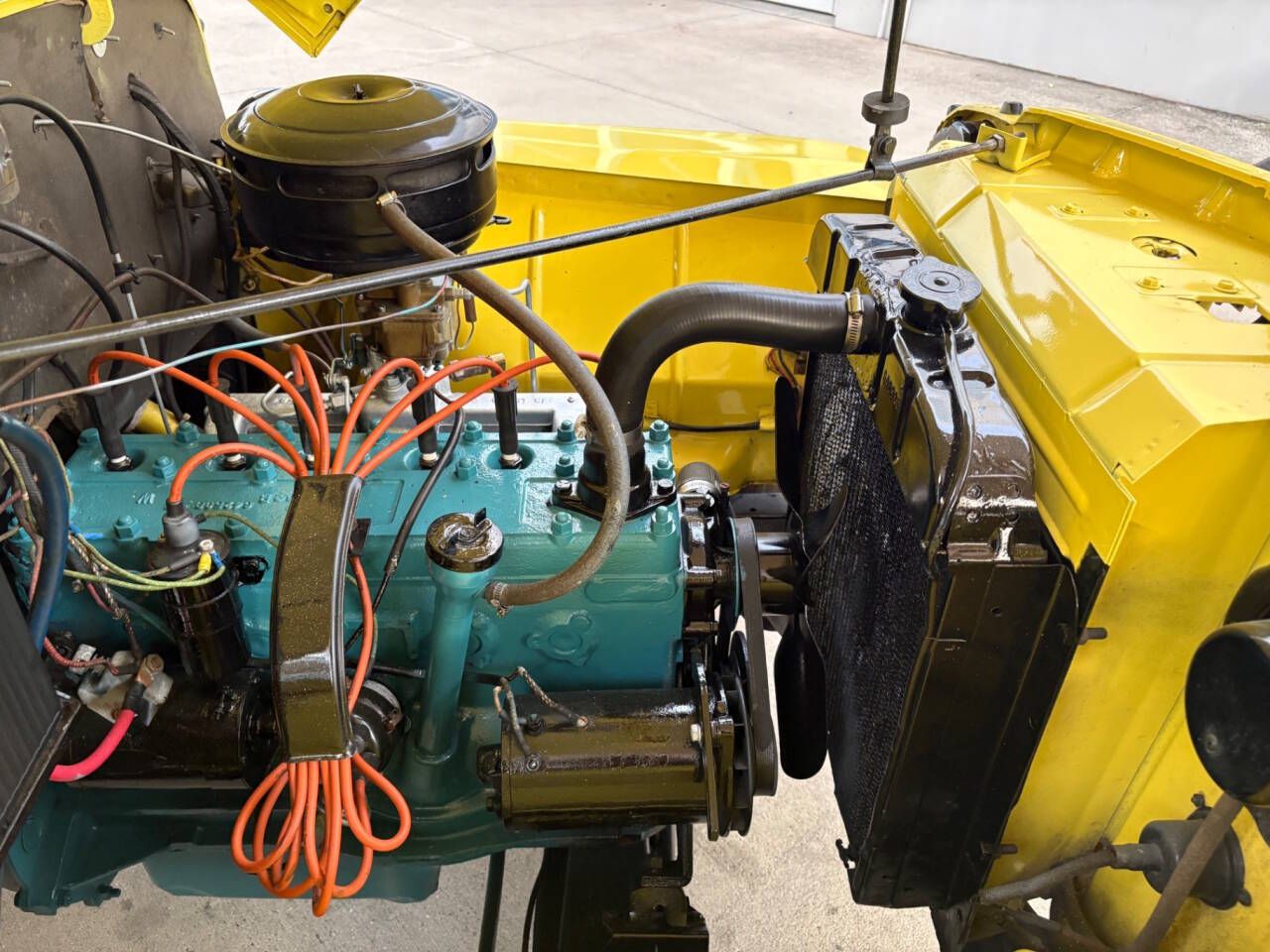
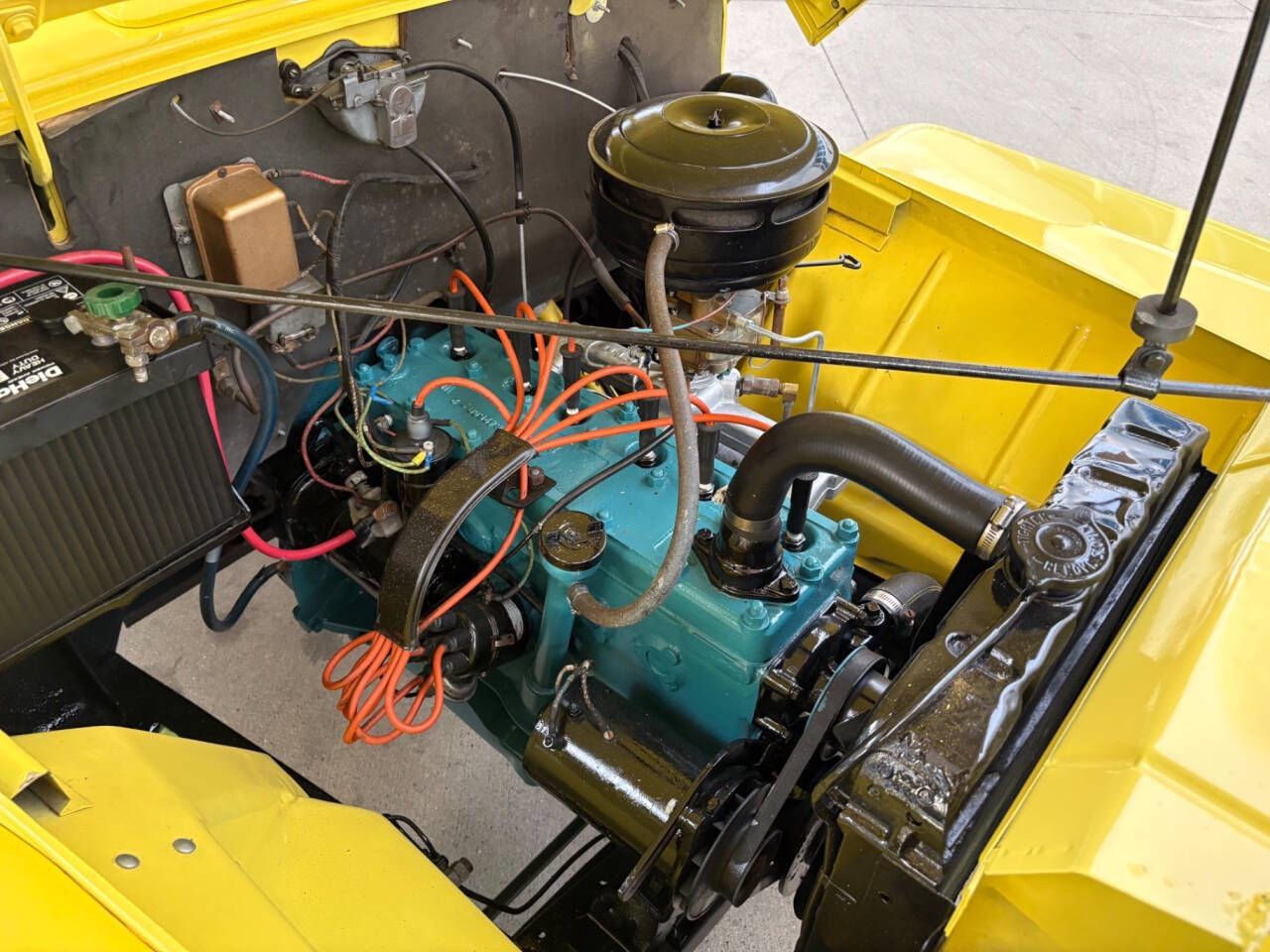
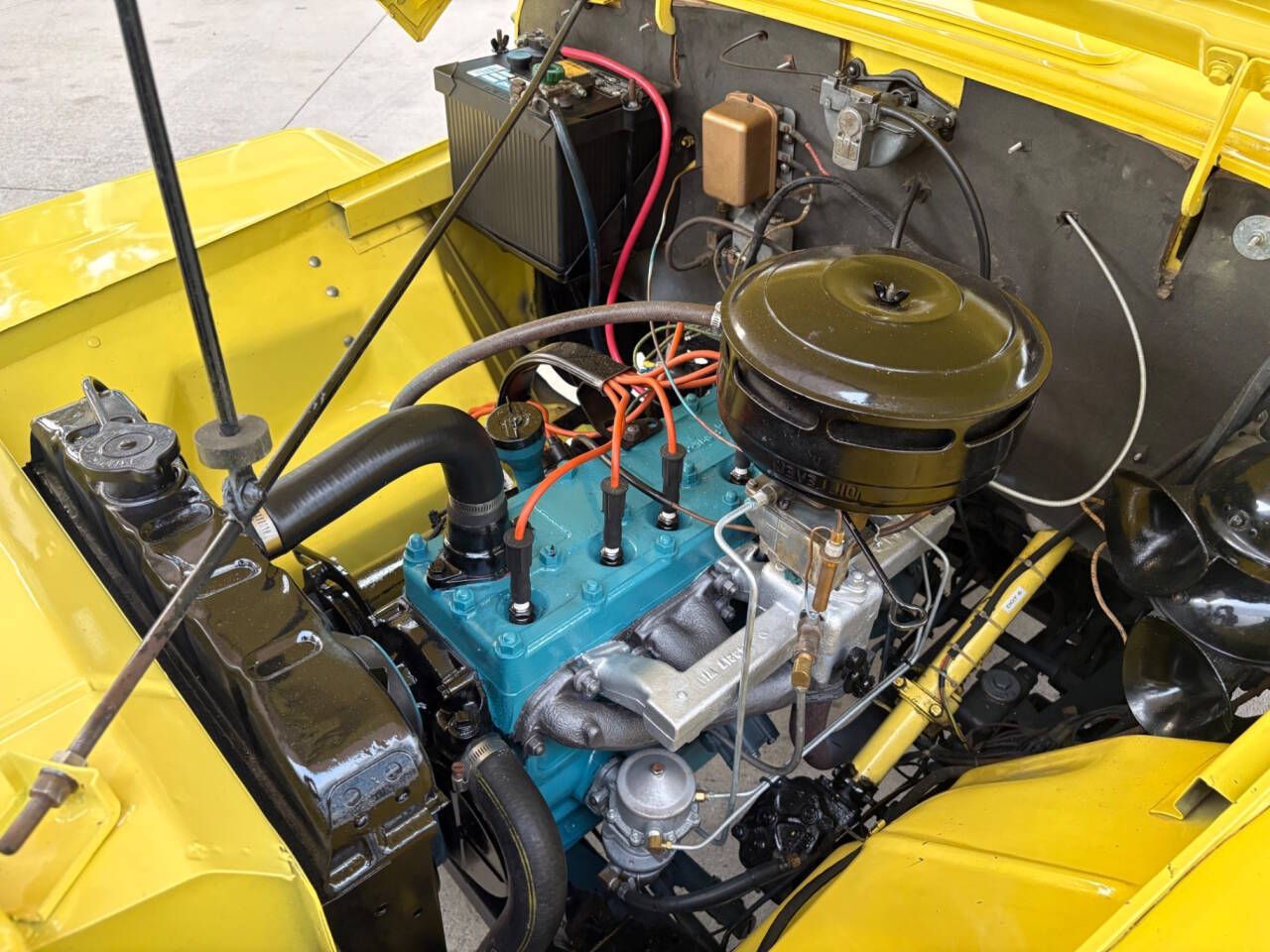
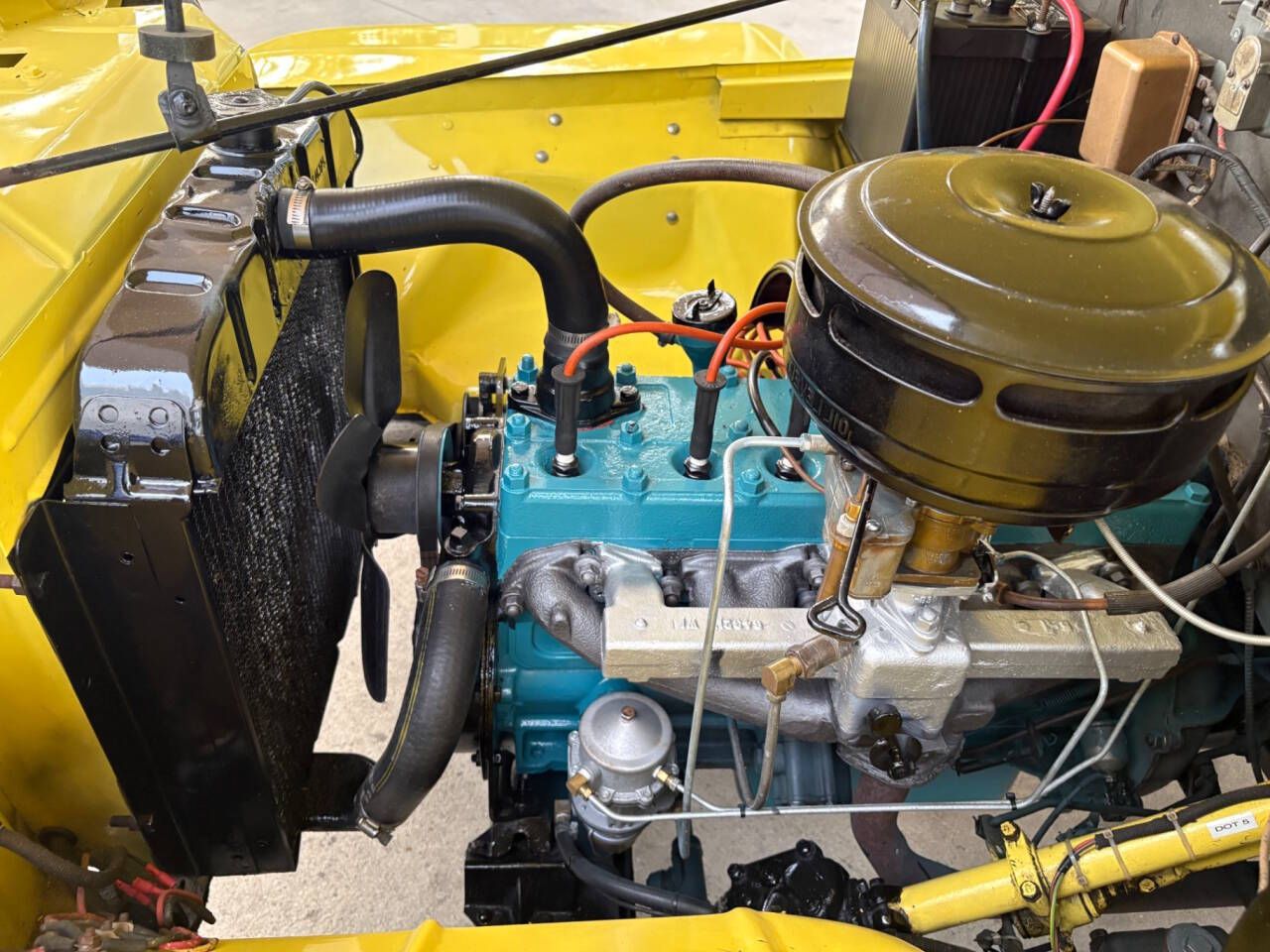
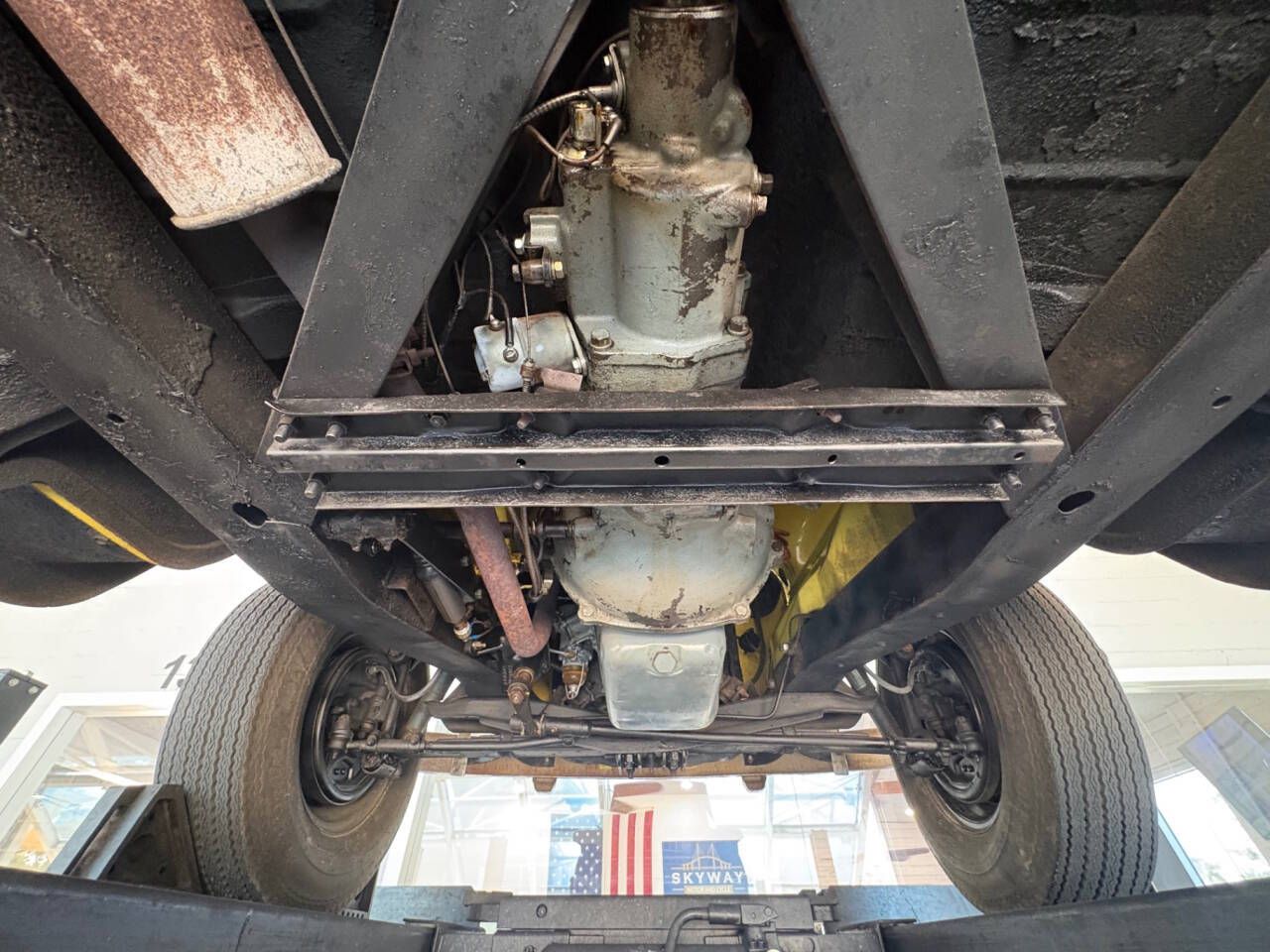
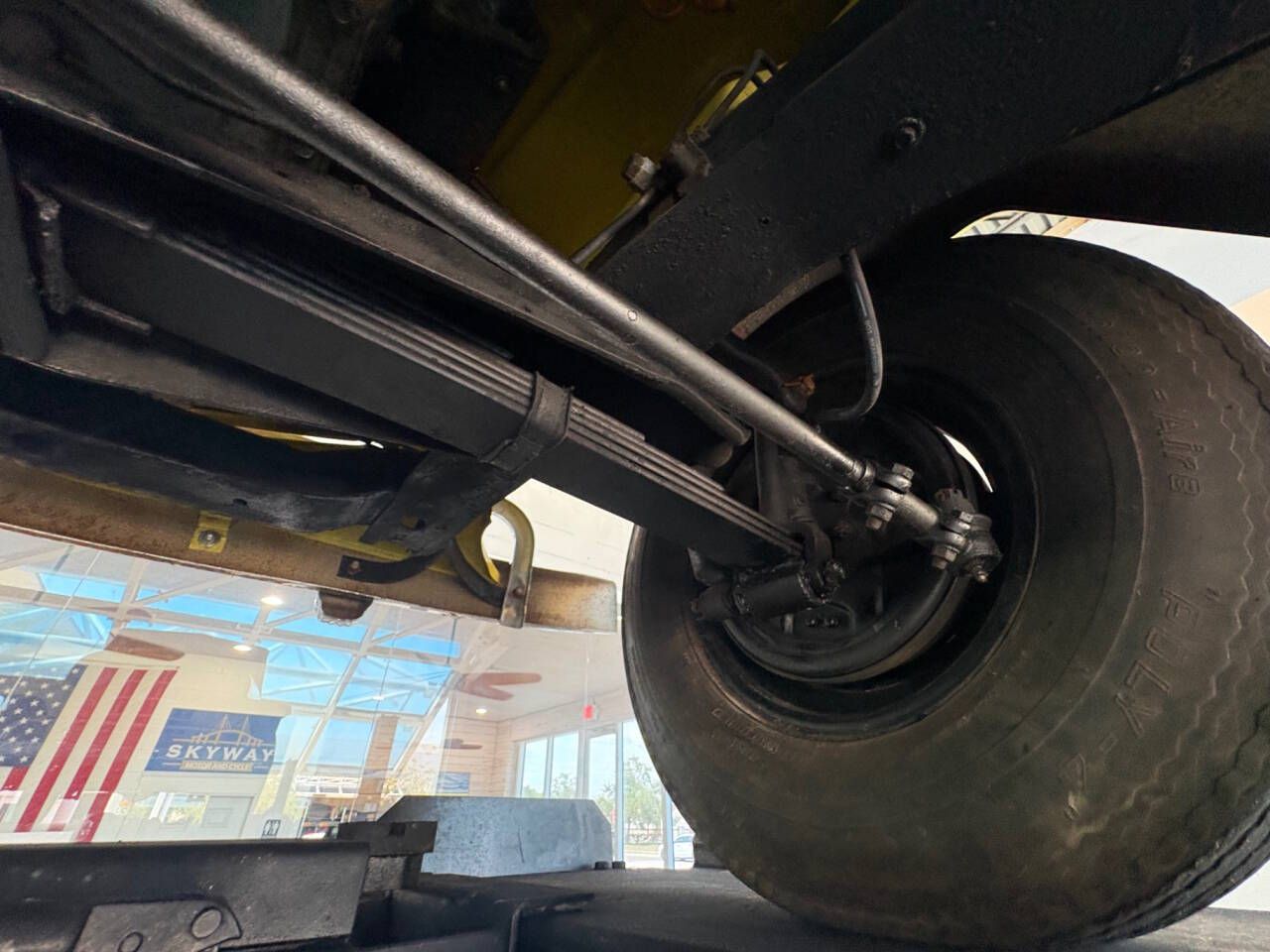
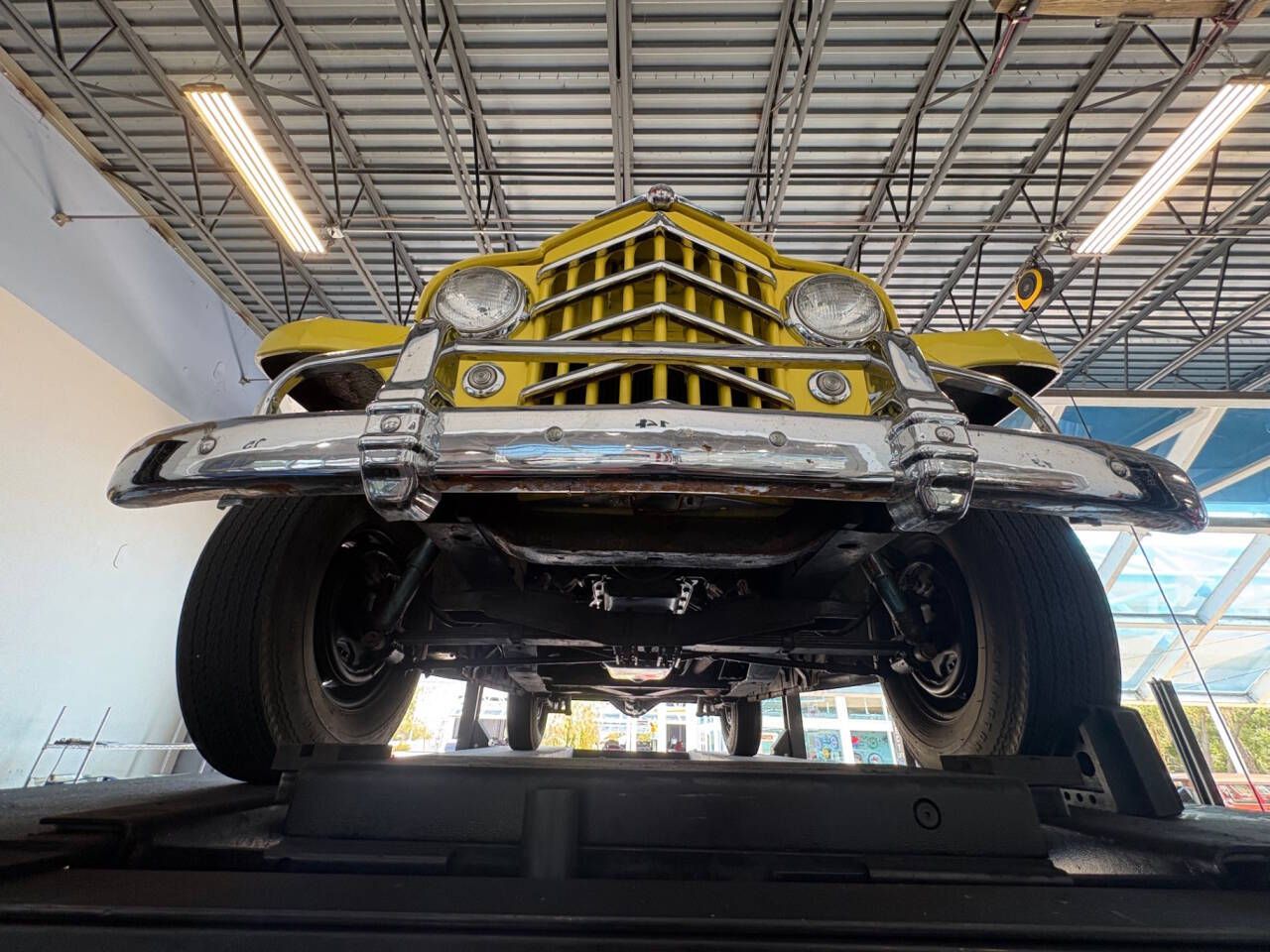
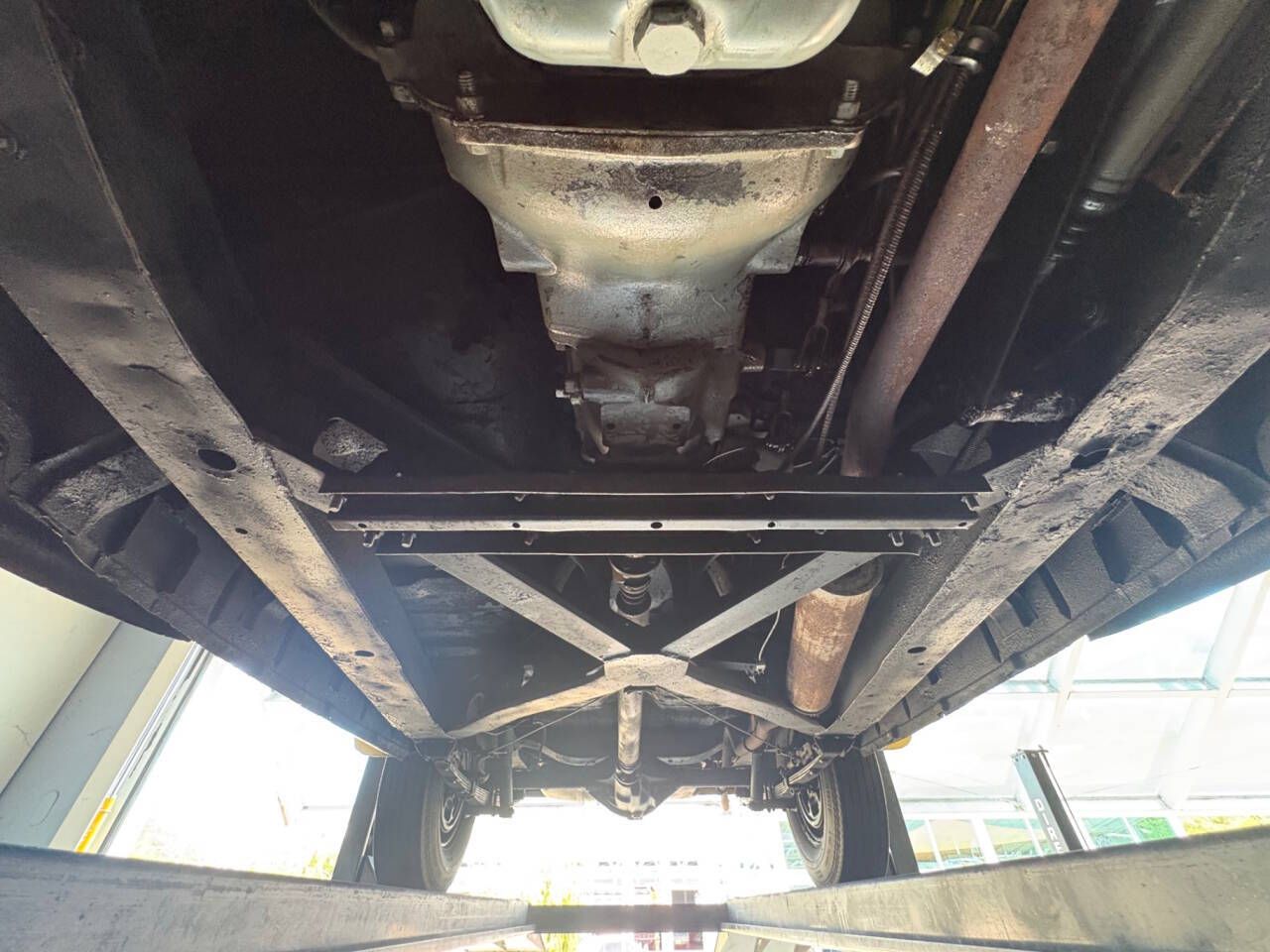
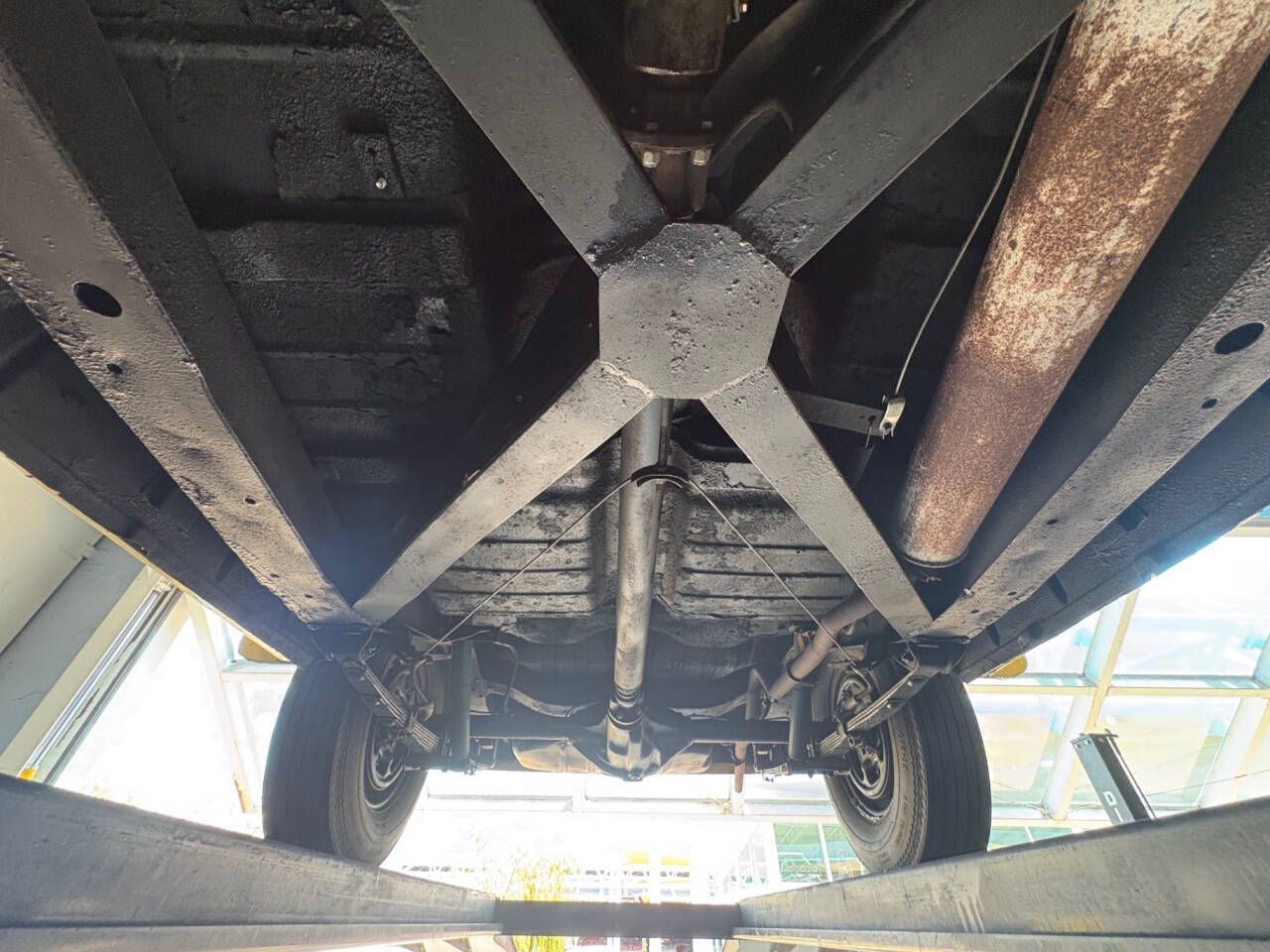
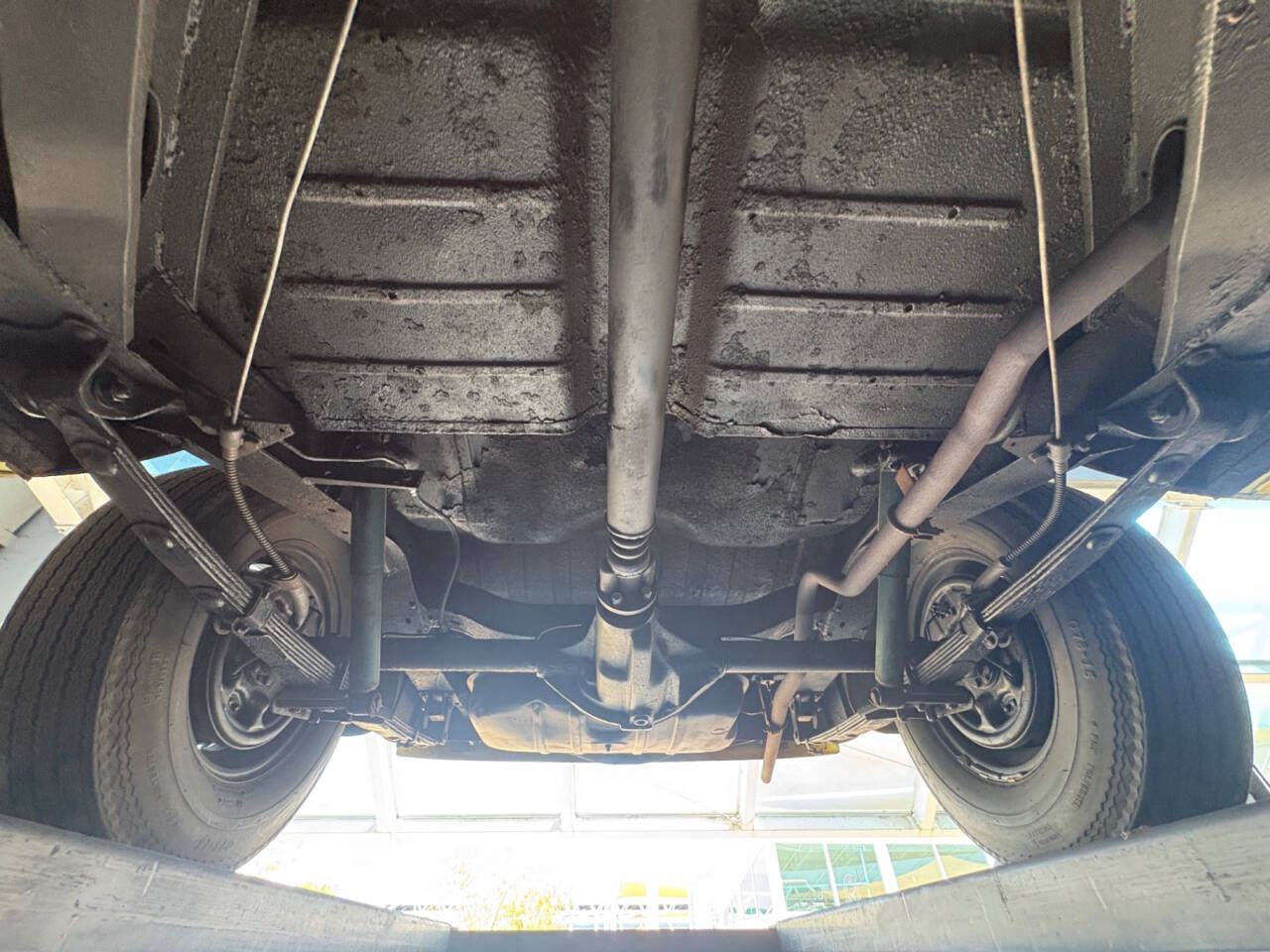
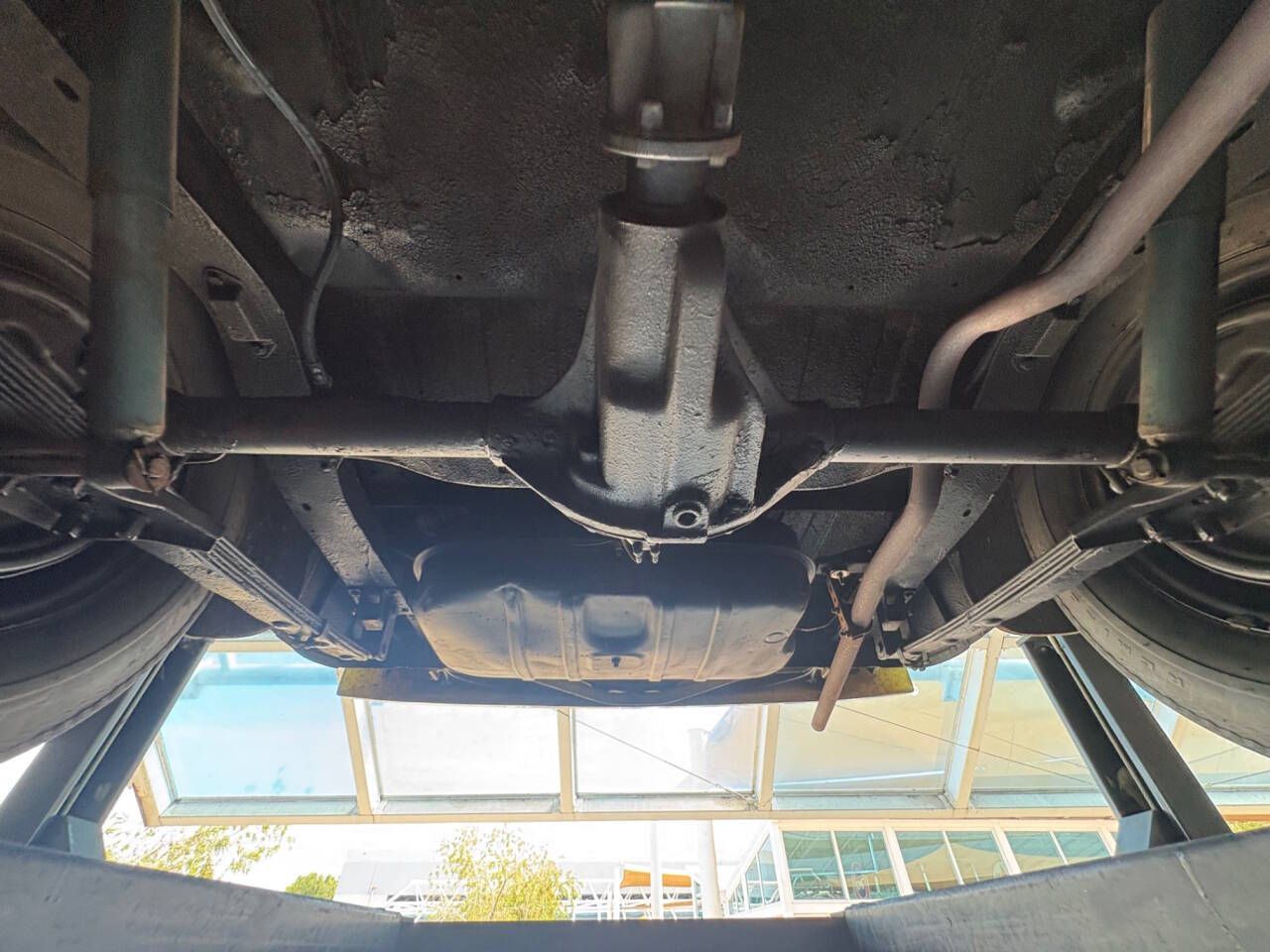
1951 Willys Overland Jeepster Last Year of Production, Hurricane F-Head Engine, Overdrive Transmission Why This Car Is Special The 1951 Willys Overland Jeepster holds a specific place in American automotive history that most people don't fully appreciate. It was the last model year Willys would produce the Jeepster before discontinuing the nameplate entirely, making every surviving 1951 example a legitimate end-of-run collectible. The Jeepster was Willys Overland's attempt to build a civilian leisure vehicle that carried the brand recognition and rugged identity of the wartime Jeep into the postwar consumer market. It first appeared in 1948, designed by Brooks Stevens, and was meant to appeal to buyers who wanted something sportier and more open-air than a station wagon but more practical than a roadster. What makes 1951 particularly significant is the engine. That year, Willys introduced the Hurricane F-Head inline-four an upgraded version of the Go Devil flathead that had powered earlier Jeepsters and wartime Jeeps. The F-Head design placed the intake valves in the head while retaining exhaust valves in the block, a hybrid configuration that improved breathing and thermal efficiency over a pure flathead. The result was a meaningful bump in output over what came before, and the Hurricane F-Head went on to power Willys and early Kaiser-Jeep vehicles well into the 1960s, earning a reputation for long-term durability that holds up even today. The Jeepster was never produced in massive numbers. Across its four model years 1948 through 1951 total production was relatively modest compared to mainstream American convertibles of the era, and 1951 was the lowest-volume year of the run. Finding a 1951 Willys Overland Jeepster in drivable, solid condition with correct trim and a functioning convertible top is genuinely difficult. This example checks all of those boxes and then some. Features List Hurricane F-Head 134ci Inline-4 Engine 3-Speed Manual Transmission with Overdrive Black Convertible Top Front and Rear Bench Seats Whitewall Tires Chrome Bumpers, Front and Rear Willys Hub Caps Exterior Spare Tire Mount with Rear-Mounted Spare AM Radio Installed Body-Colored Dash (Yellow) Solid Undercarriage Independent Front Suspension Leaf Spring Rear Suspension Drum Brakes, Four-Wheel Split Windshield Wind Wings (Vent Windows) Exterior Sun Visor Interior Rearview Mirror Carpeted Floors Painted Engine Bay Chrome Windshield Frame Chrome Body Trim Moldings Side Step Plates Full Gauge Cluster (Fuel, Oil Pressure, Ammeter, Temperature) Choke Knob Willys Hood Ornament and Grille Badge All-Steel Body Construction Last Year of Jeepster Production Mechanical The heart of this 1951 Willys Overland Jeepster is the Hurricane F-Head 134 cubic inch inline-four, painted in its correct teal/turquoise block color as visible in the photos. The engine bay itself has been painted to match the exterior yellow, which was a period-correct detail on well-optioned Jeepsters and presents cleanly here. The F-Head configuration was a genuine engineering advancement for Willys at the time by relocating the intake valves to the overhead position while keeping the exhaust valves in the block, engineers were able to improve combustion efficiency and torque delivery without a full overhead valve redesign. The engine is a known quantity among Willys enthusiasts for being straightforward to maintain and nearly bulletproof when properly cared for. Behind the Hurricane engine sits a 3-speed manual transmission paired with an overdrive unit a significant and desirable specification on any early 1950s vehicle. The overdrive allows the engine to drop into a relaxed, fuel-efficient cruising ratio at highway speeds, which makes this Jeepster a more usable and comfortable driver than a standard 3-speed would allow. The overdrive engagement lever is visible in the interior photos, positioned on the column. This combination of the F-Head four and ove