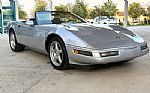
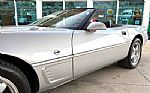
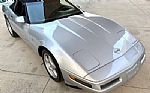
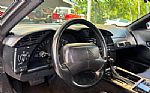
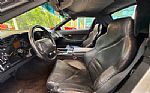
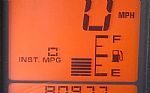
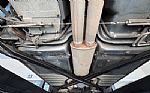
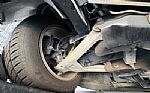
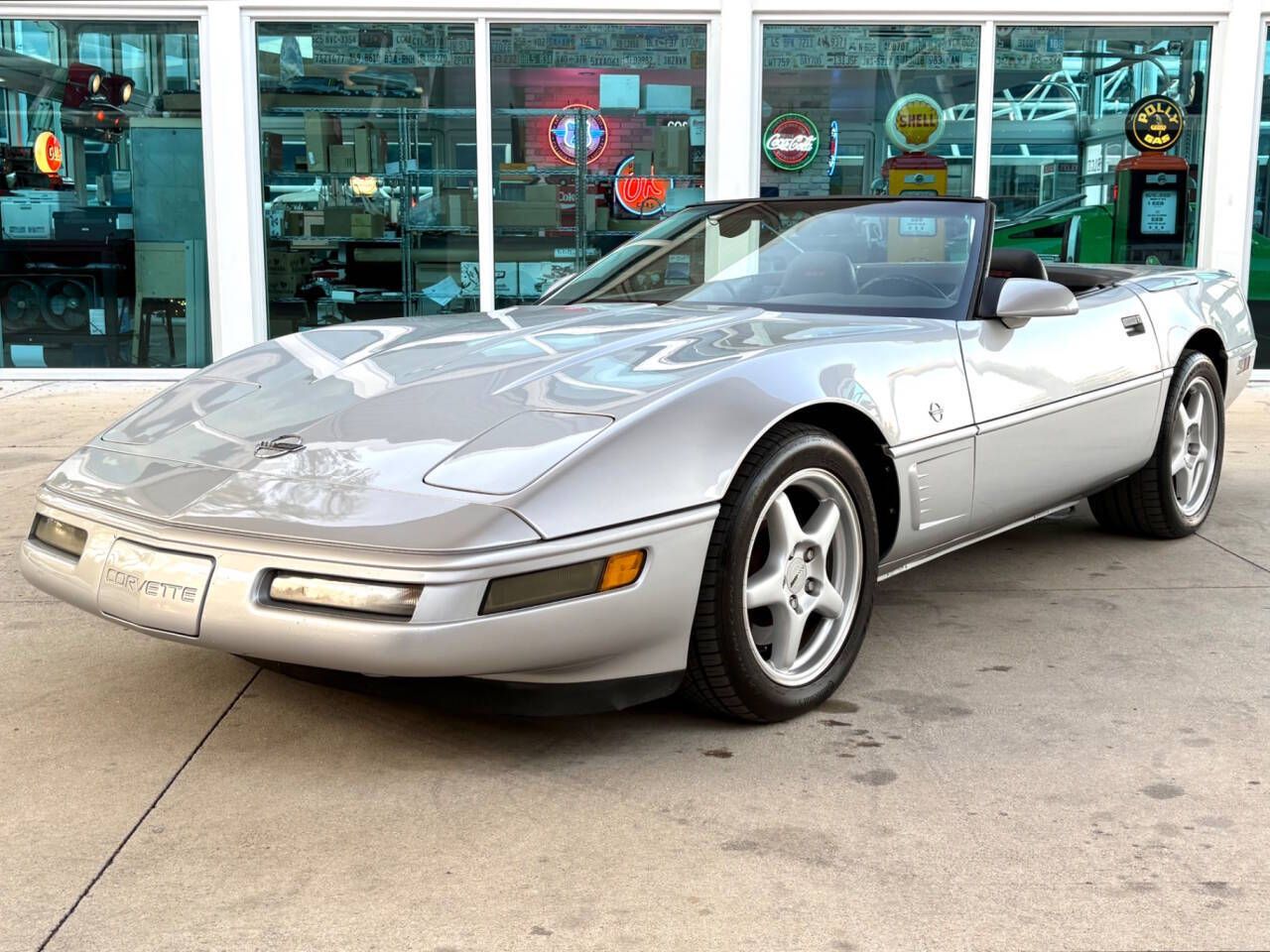
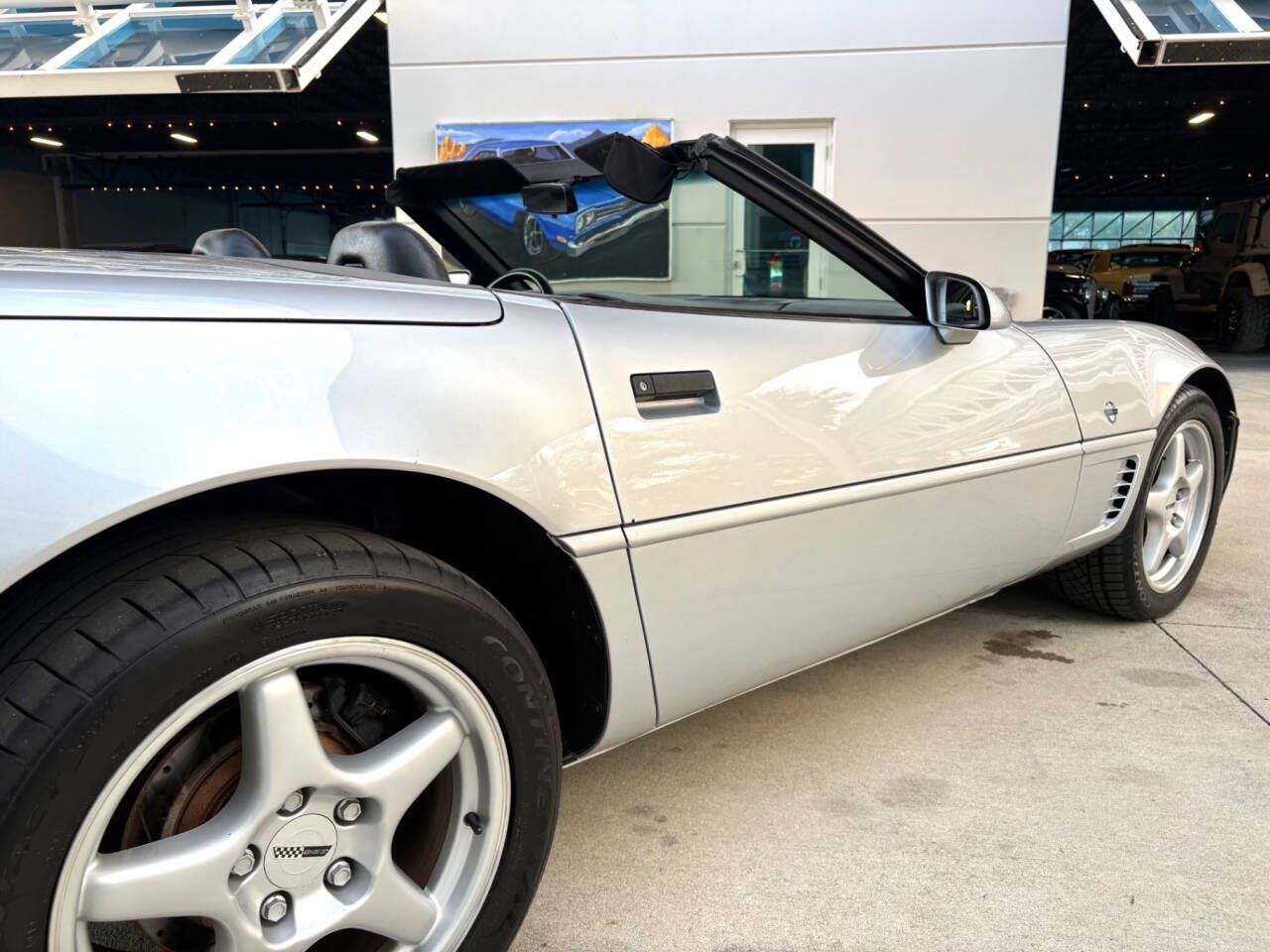
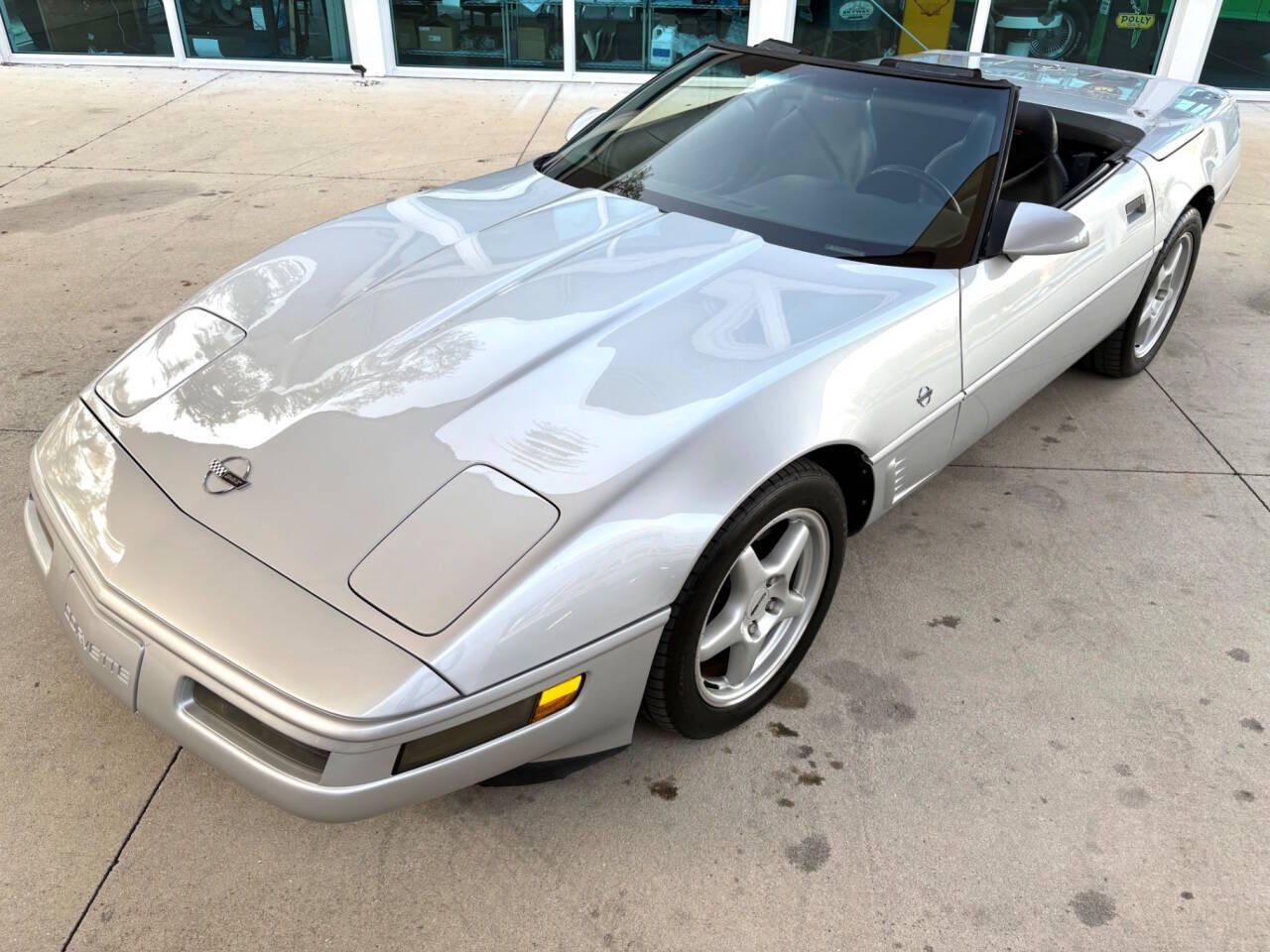
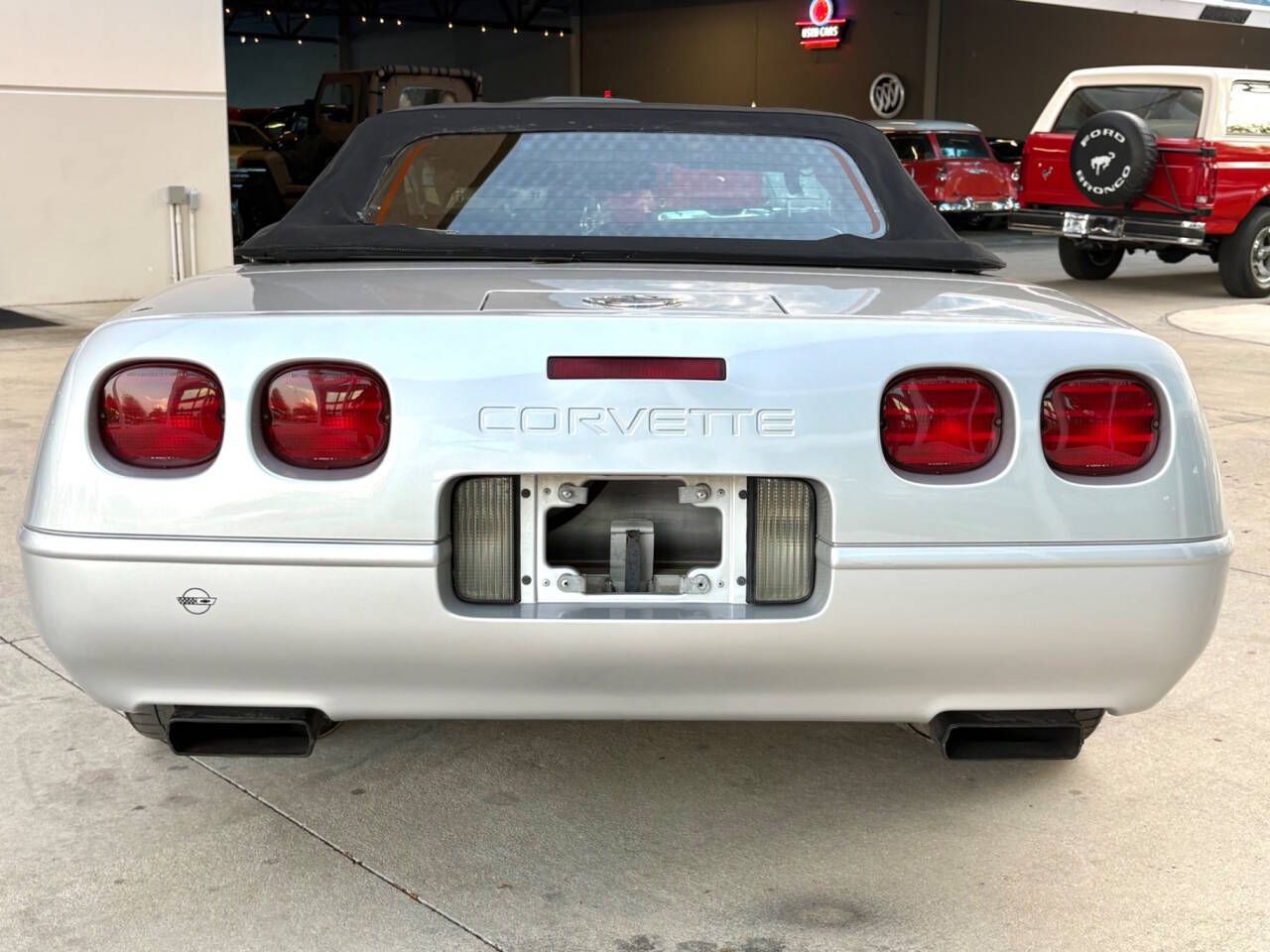
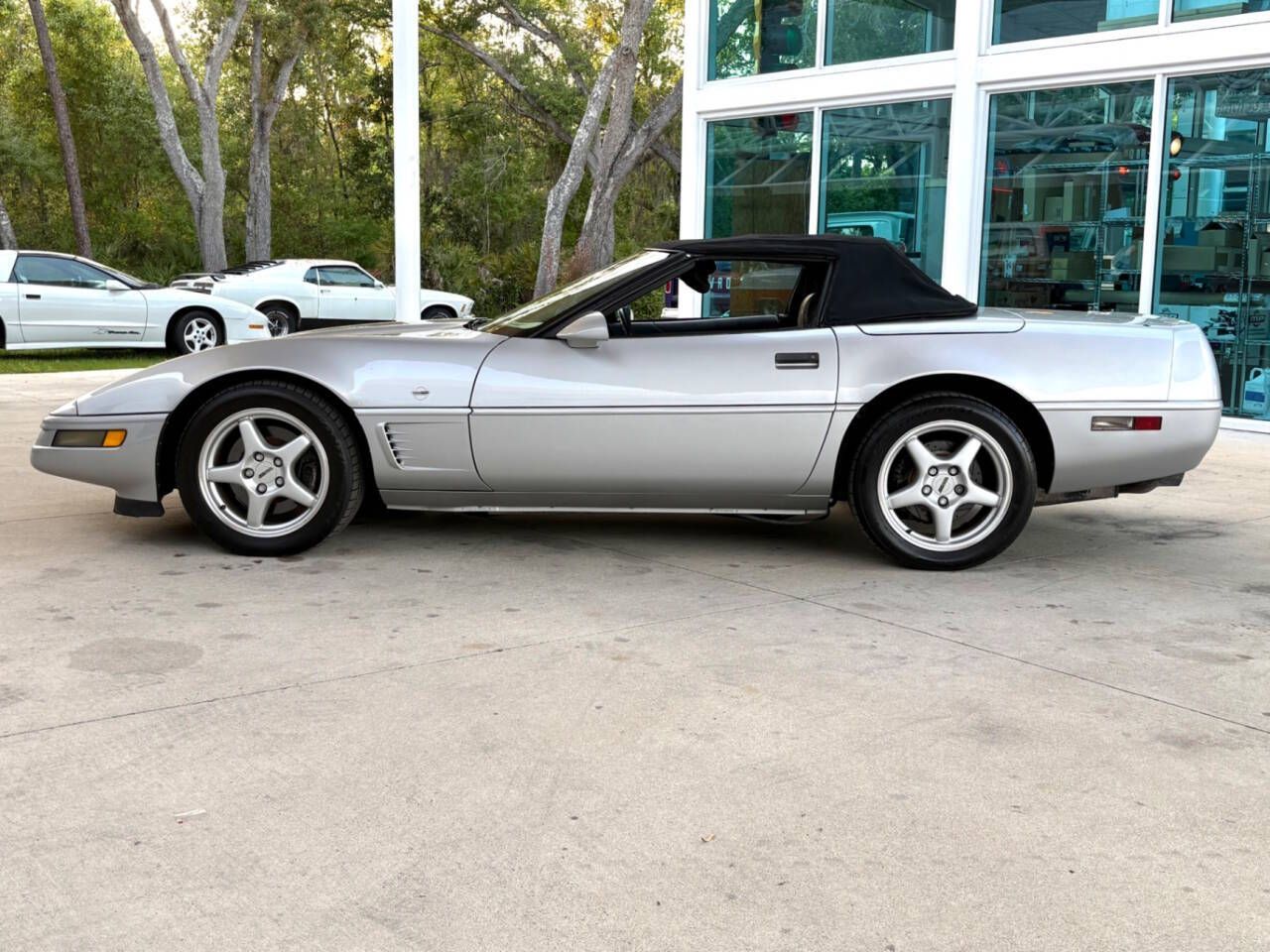
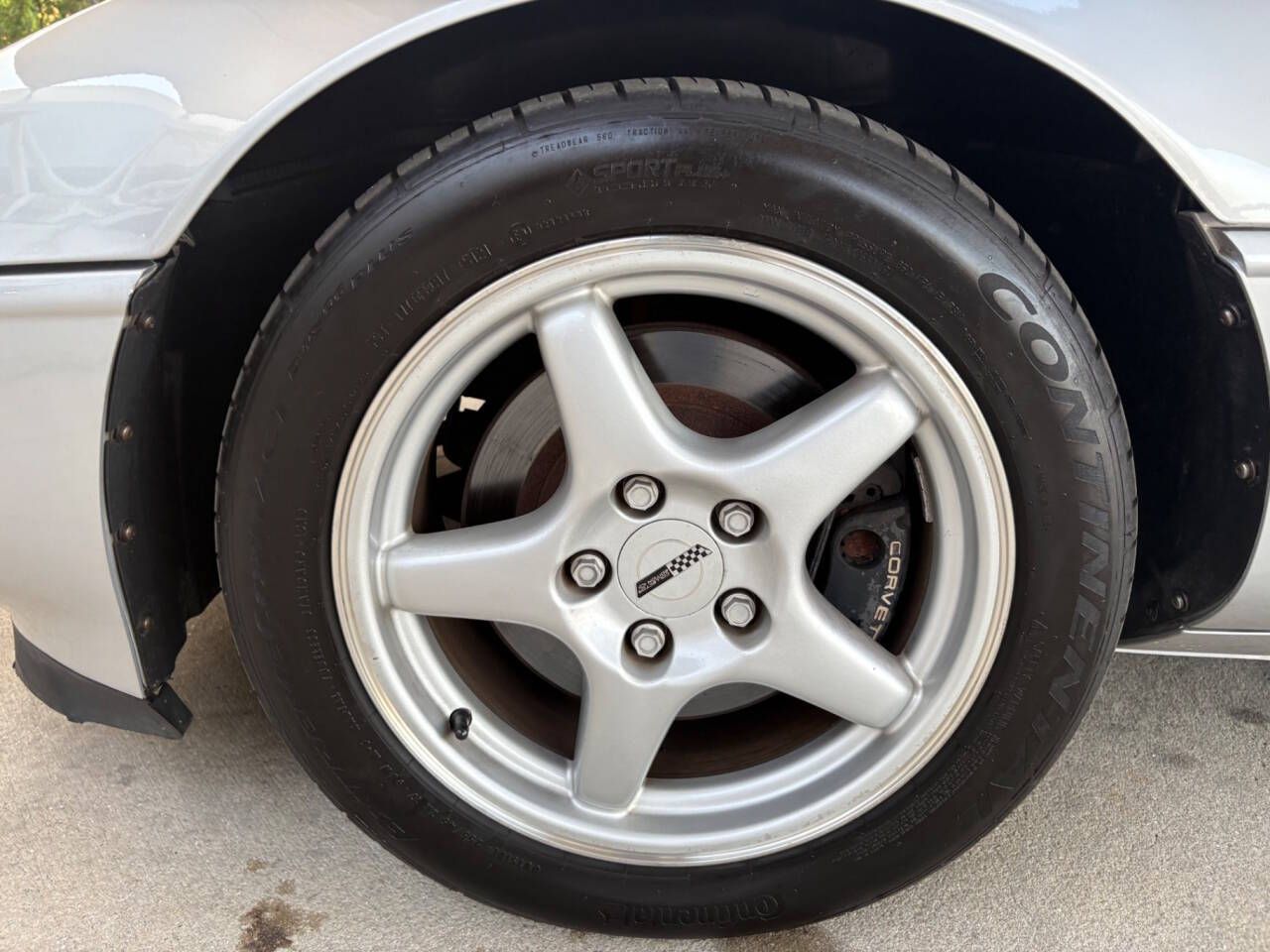
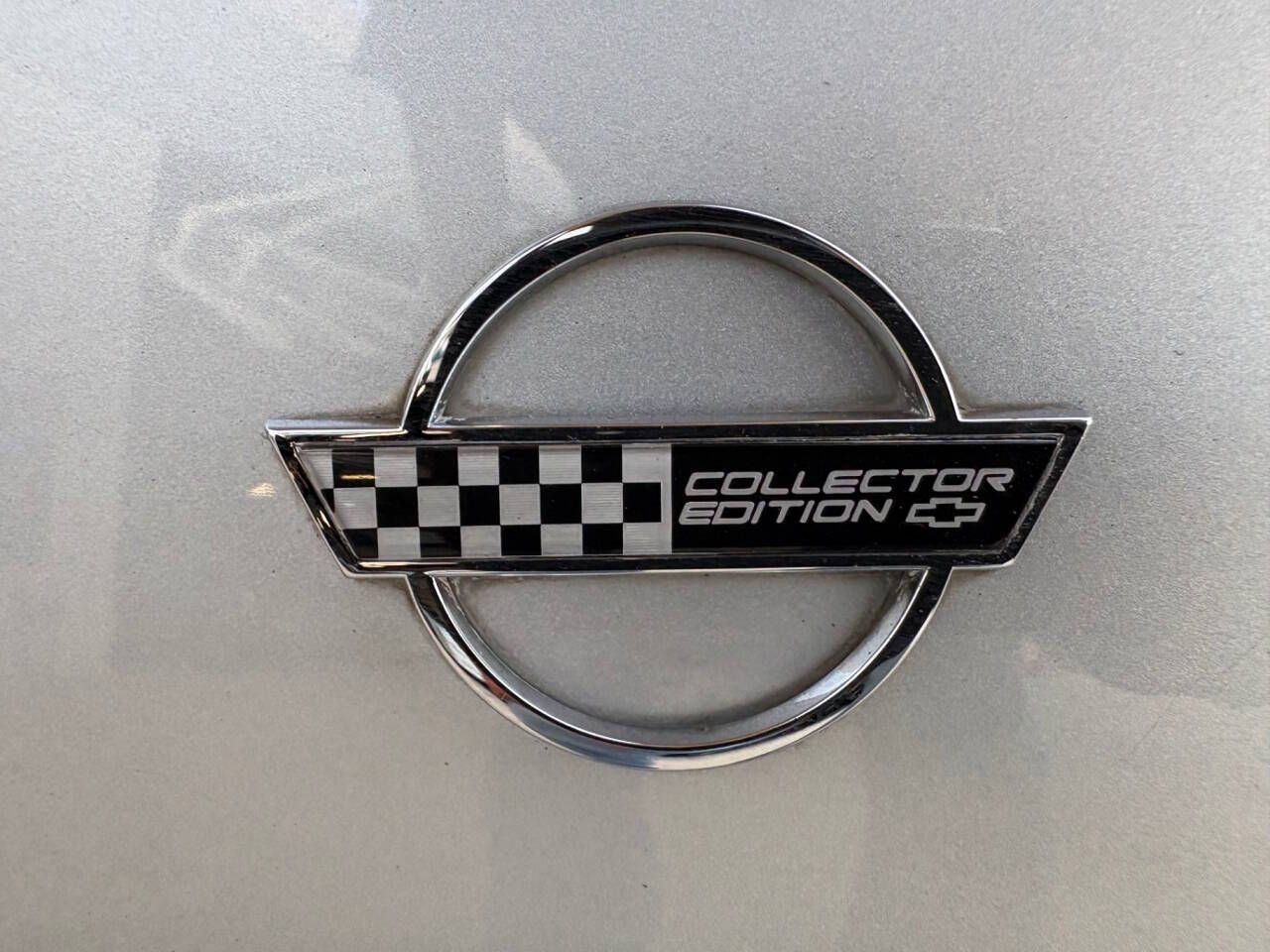
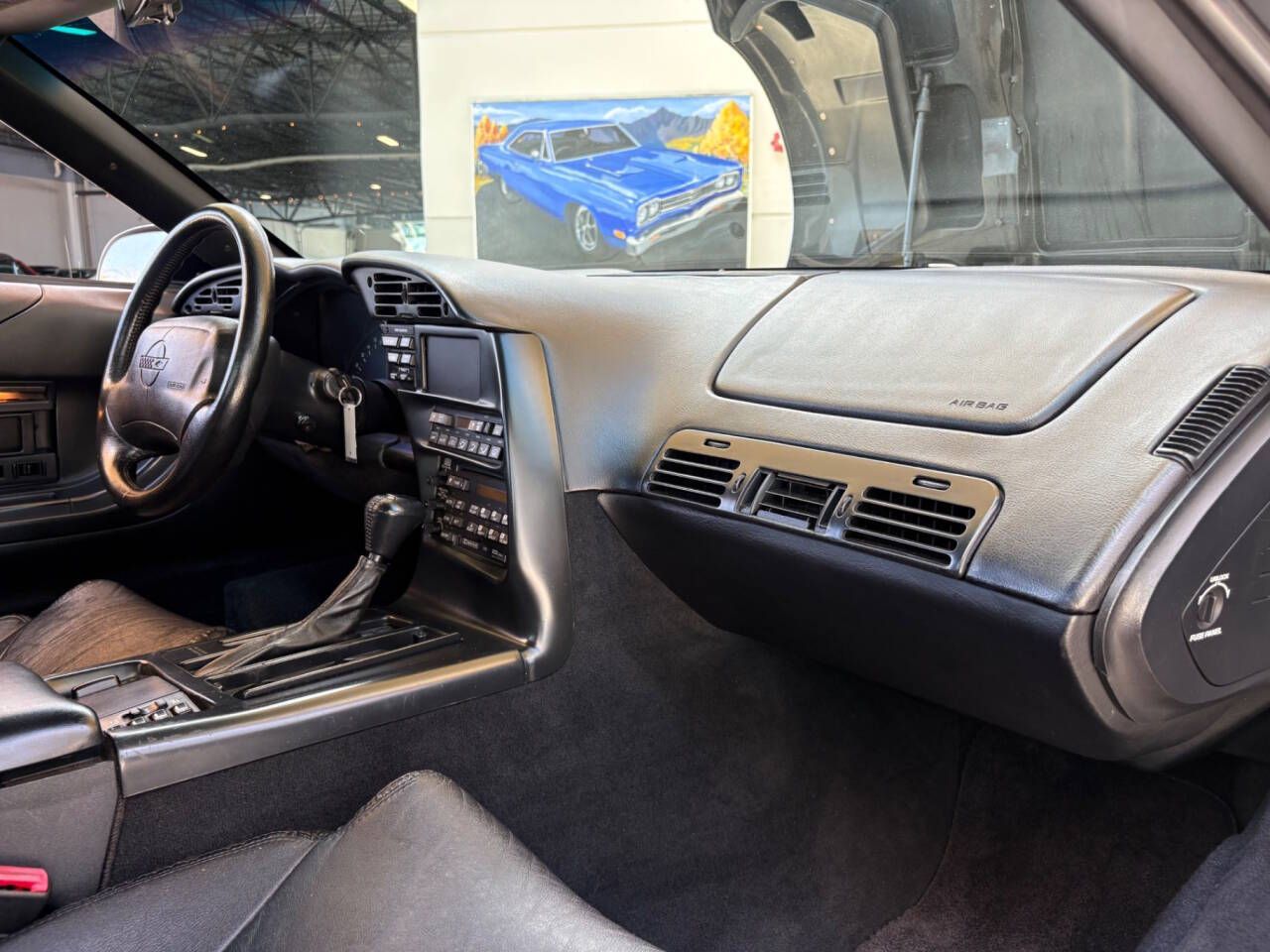
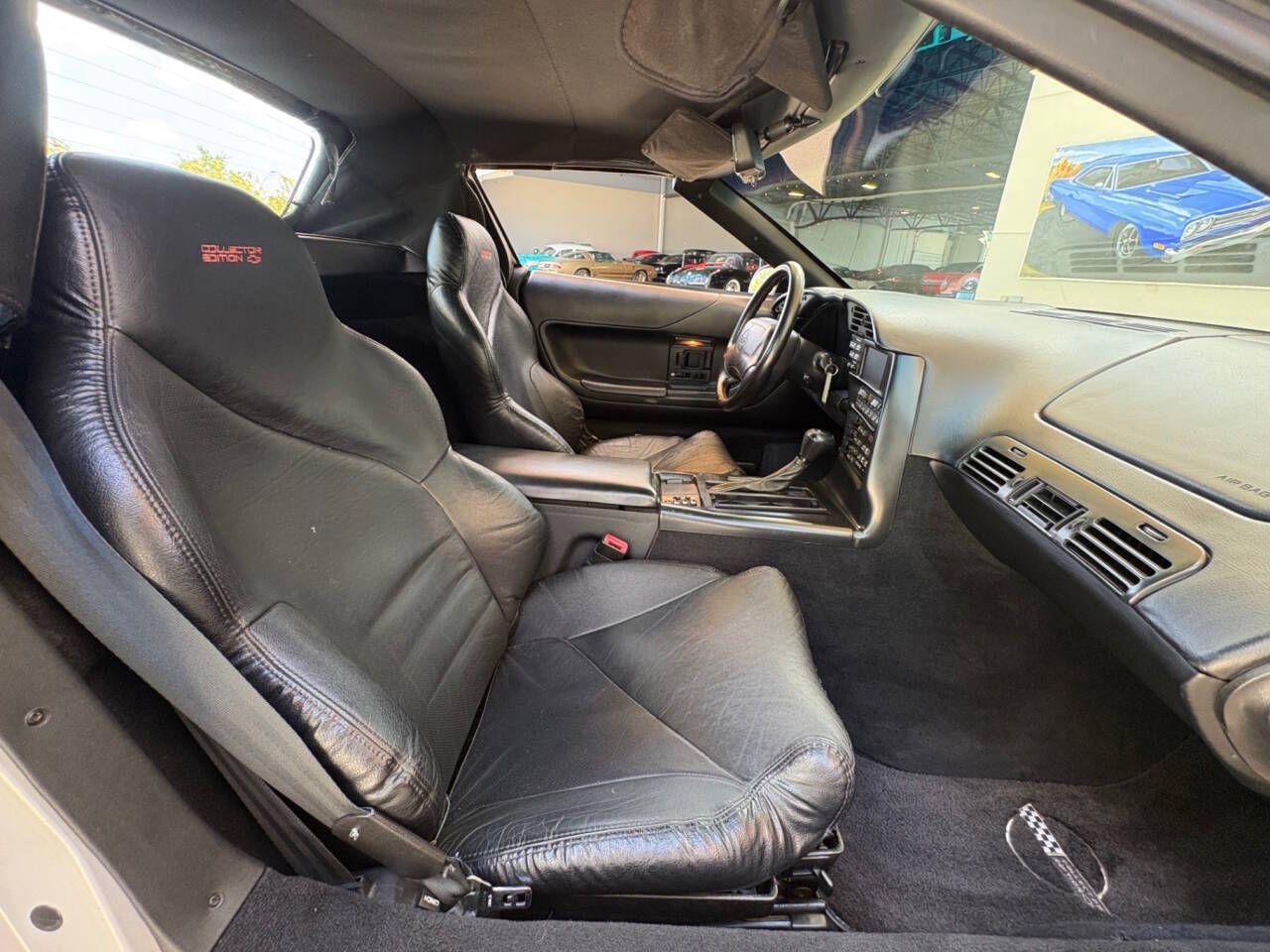
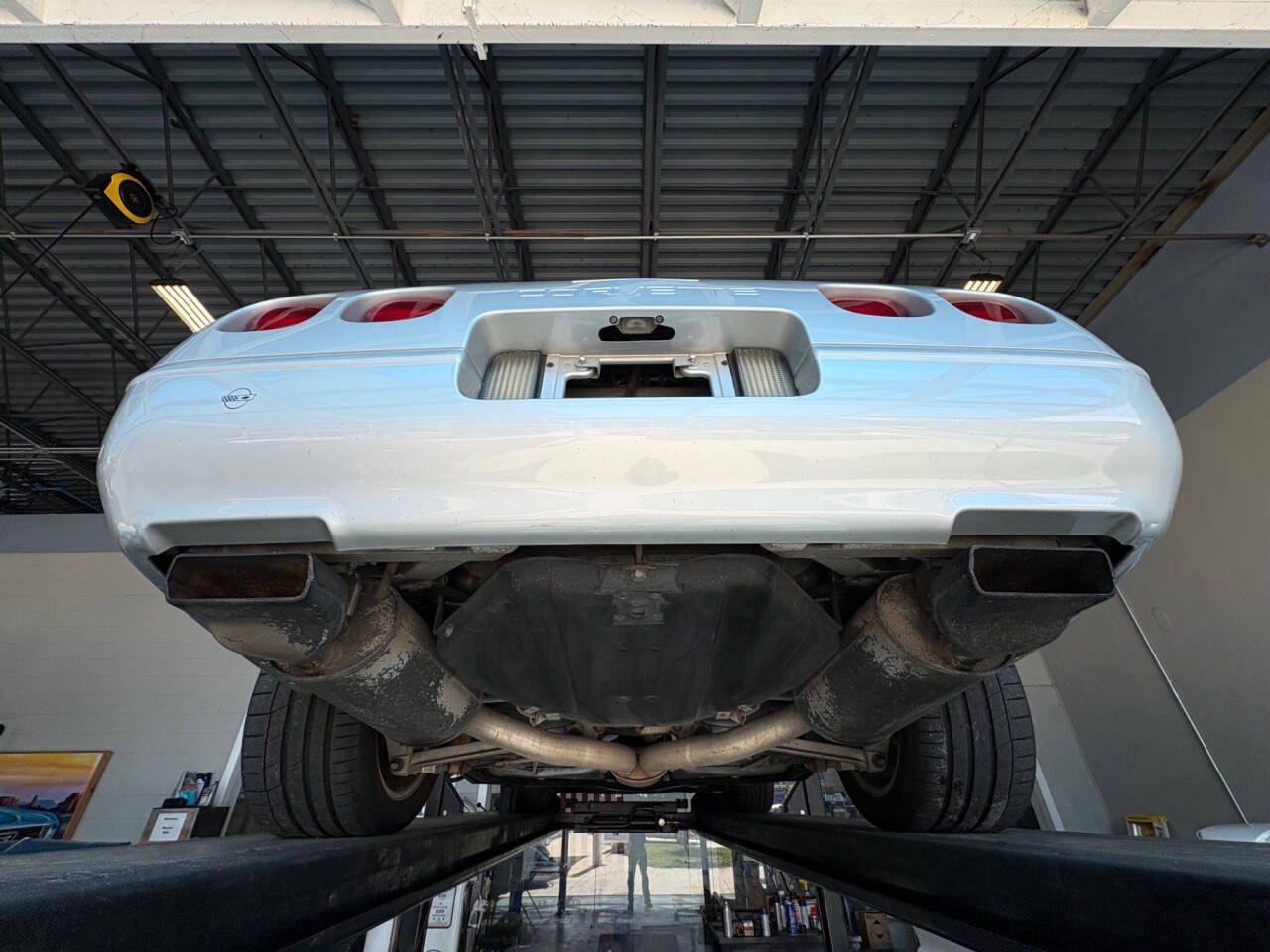
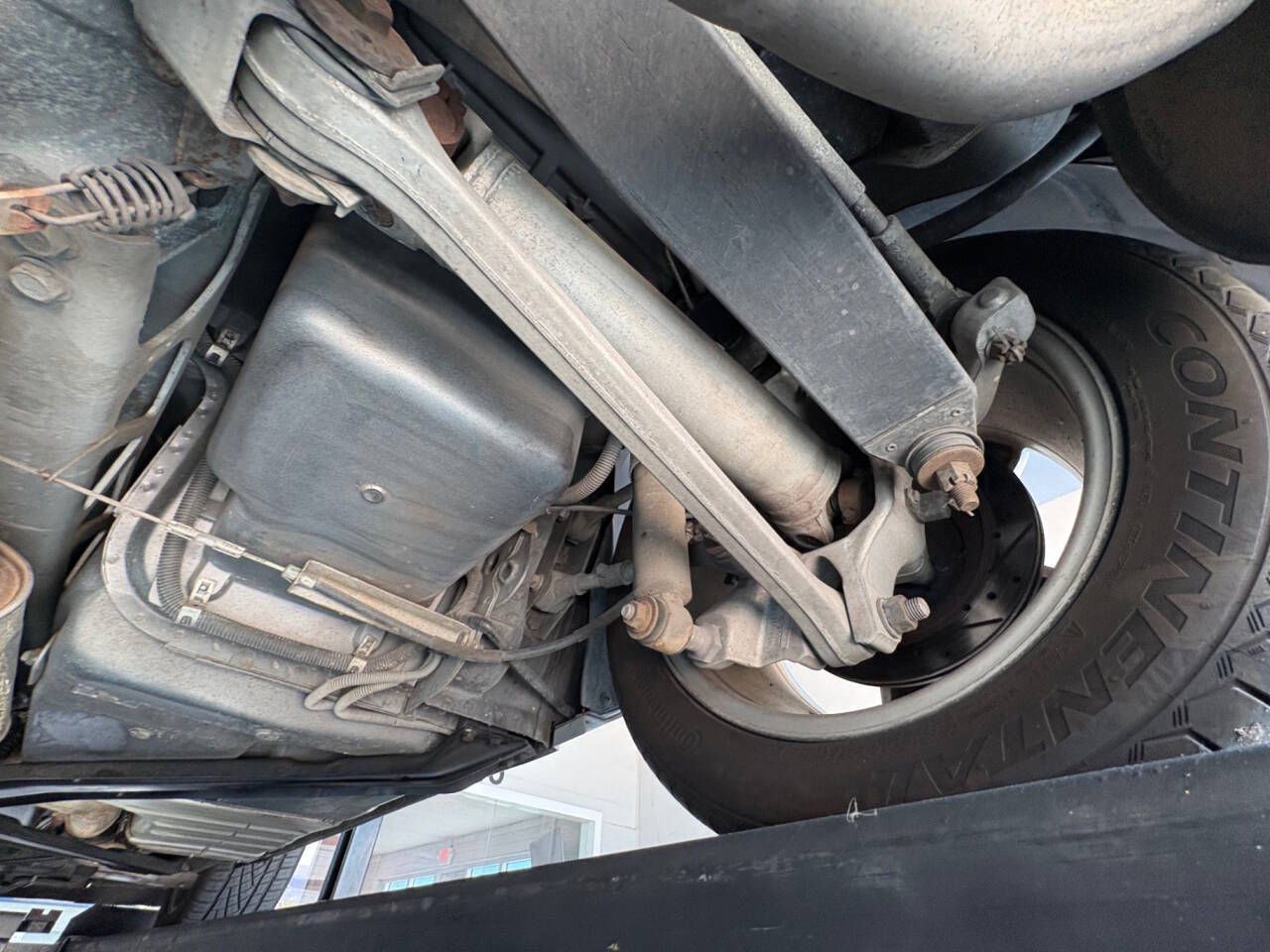
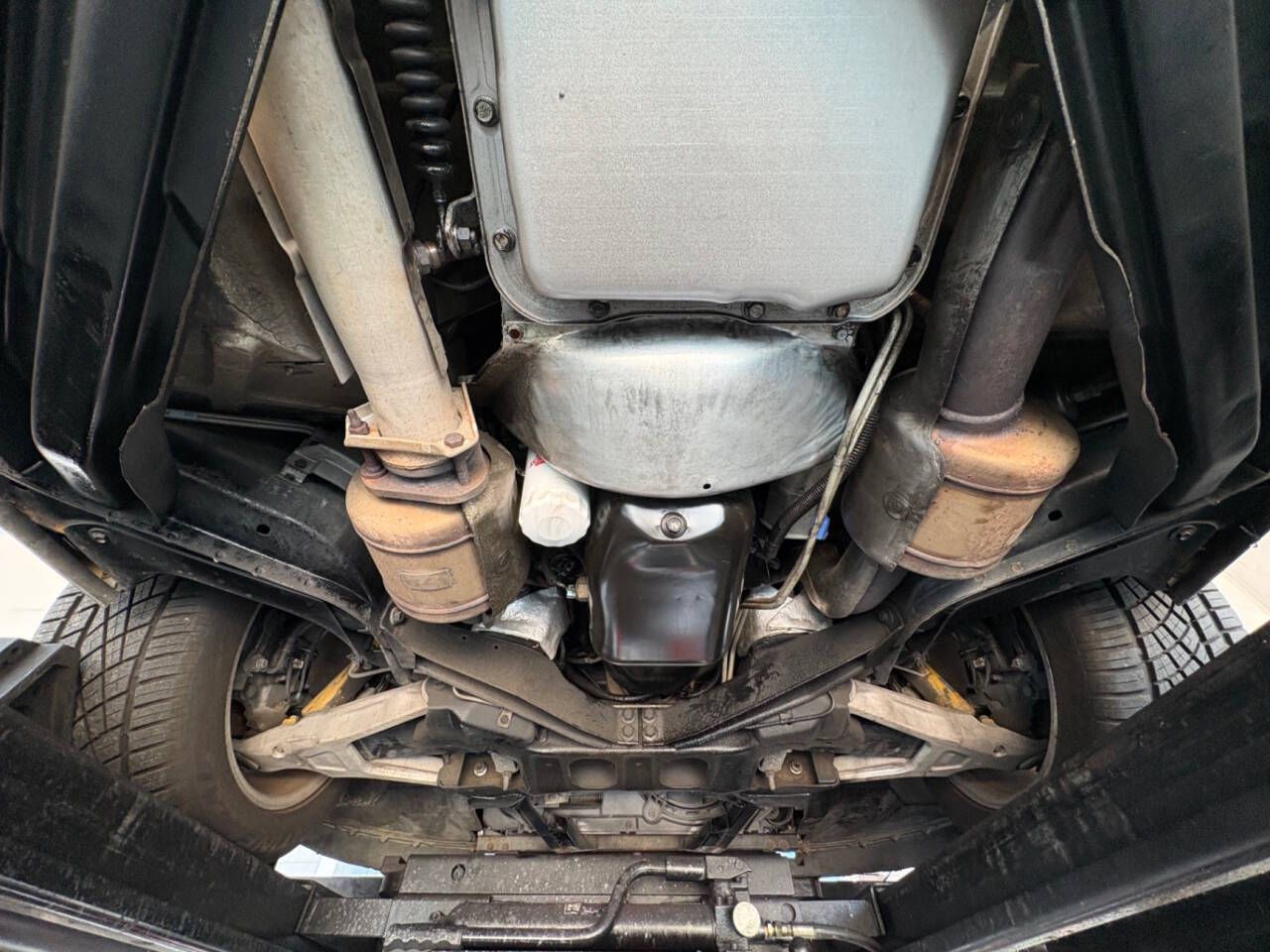
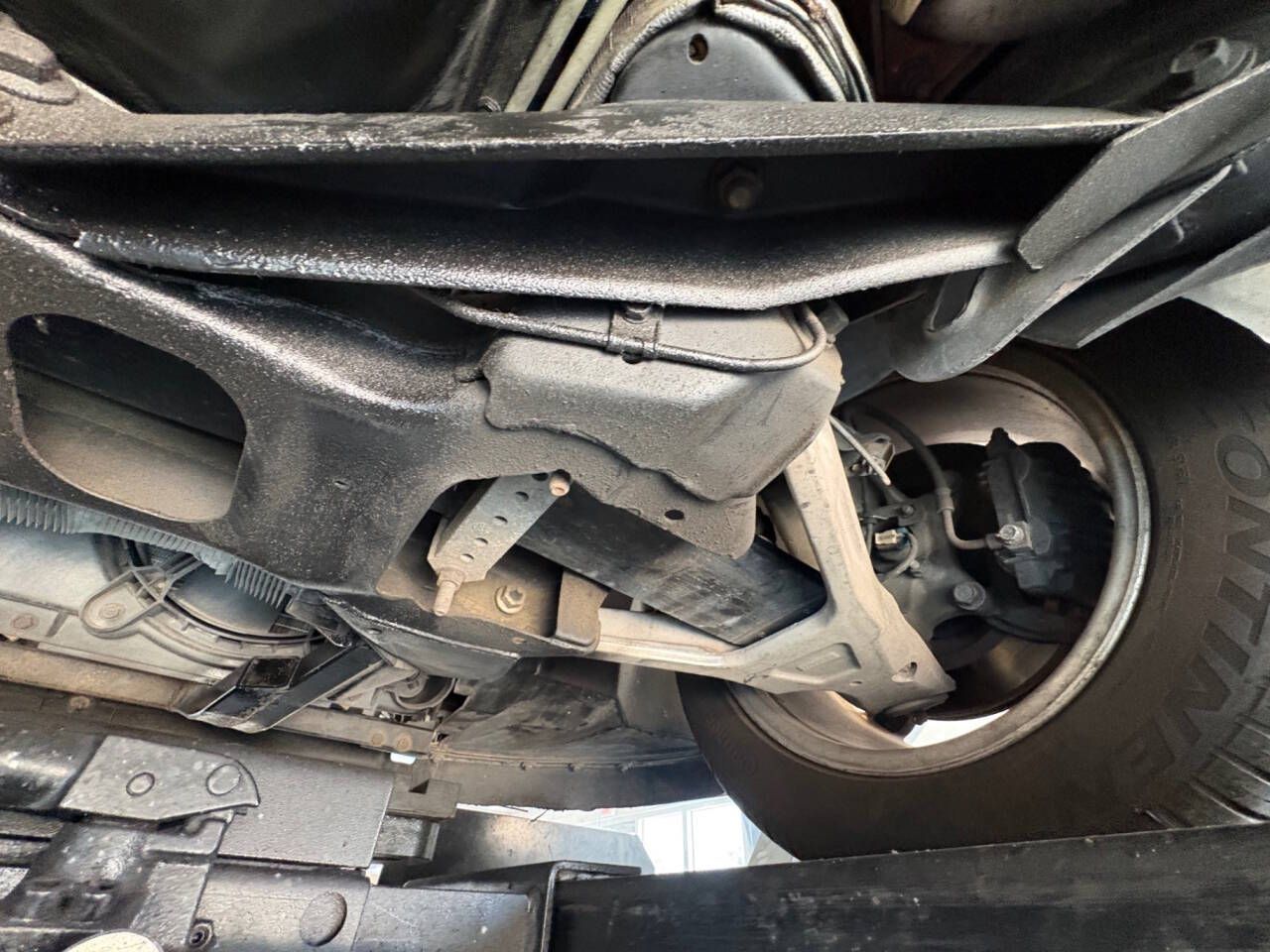
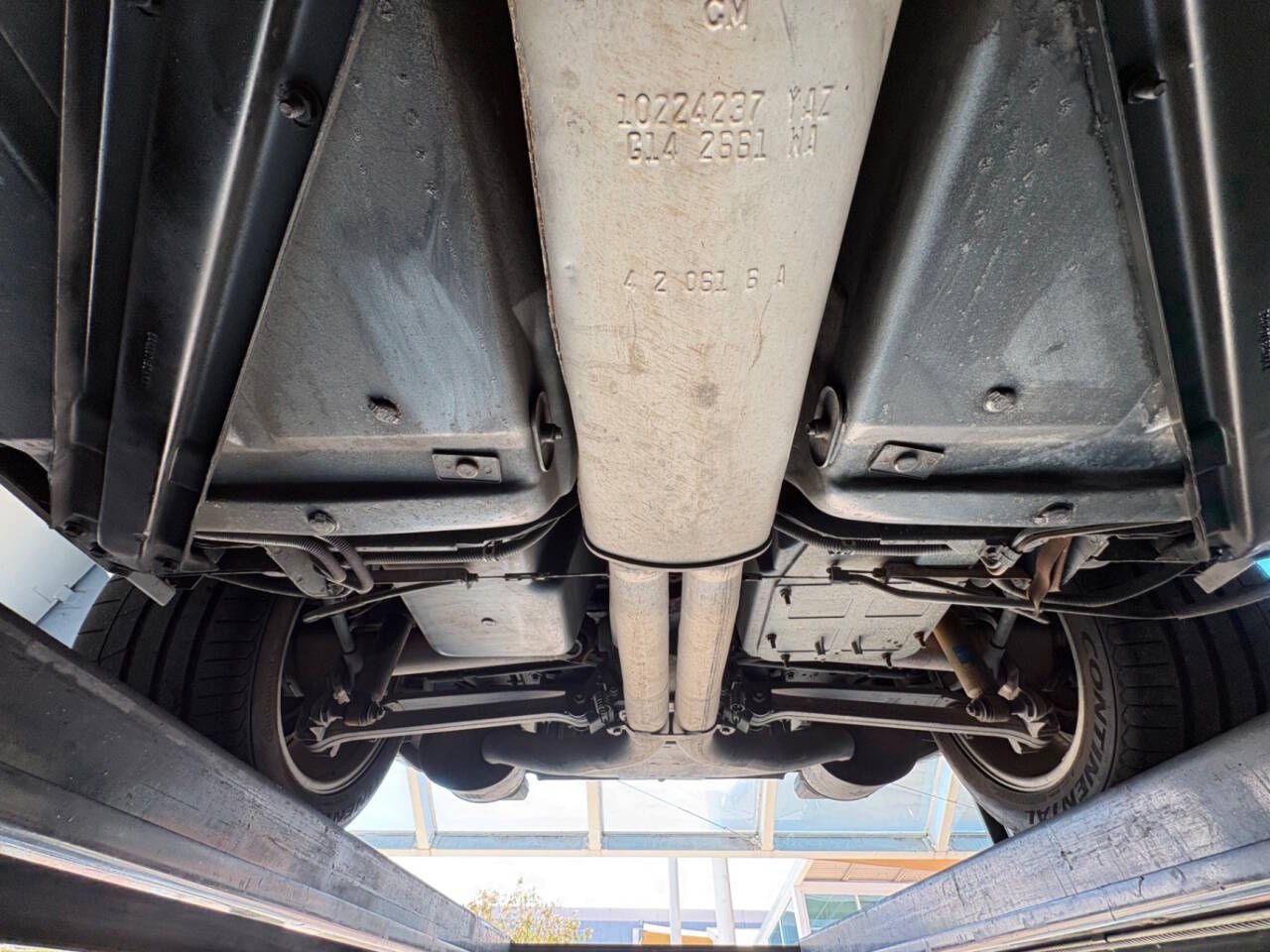
1996 Chevrolet Corvette Convertible LT1 V8, Automatic, Silver over Black Why This Car Is Special The 1996 Chevrolet Corvette holds a specific place in C4 history that most buyers overlook until they start doing their homework. This was the final year of the fourth-generation Corvette, a body style that ran from 1984 through 1996. Chevrolet marked the end of that run with two special editions the Collector Edition and the Grand Sport but every 1996 Corvette carries significance simply by being the last of its kind before the C5 arrived in 1997 with an all-new platform and engine. This particular car is a 1996 Chevrolet Corvette Convertible finished in silver with a black leather interior and a black soft top. It is powered by the LT1 5.7-liter V8 and paired with a 4-speed automatic transmission. The combination of open-air driving, a proven V8, and the last-year C4 provenance makes this a straightforward choice for a buyer who wants a usable, enjoyable American sports car with a documented chapter in automotive history behind it. The 1996 model year was also notable for the introduction of the OBD-II emissions system on the Corvette, making it the last year that carried both the LT1 engine and the transition to modernized diagnostics. The LT4 was available as a high-output option in 1996, but the LT1 in automatic-equipped cars was the volume engine, and it remains one of the more reliable and parts-supported V8s from that era. Features List - LT1 5.7L V8 engine - 4-Speed automatic transmission - Dual exhaust - Convertible body style - Black soft top - Power windows - Leather bucket seats - Center console - Tachometer - Digital instrument cluster - Air conditioning - Power steering - Silver exterior - Black leather interior Mechanical The LT1 5.7-liter V8 was introduced in the C4 Corvette for the 1992 model year, replacing the long-running L98. It brought reverse-flow cooling, a higher compression ratio, and a more efficient combustion chamber design. In 1996 trim, the LT1 in automatic-equipped Corvettes was rated at 300 horsepower and 335 lb-ft of torque. Those numbers were enough to push the car through the quarter mile in the low 14-second range and reach 60 miles per hour in the mid-five-second bracket competitive figures for a production car in the mid-1990s. The 4-speed automatic paired here is the 4L60-E, a computer-controlled unit that was well-matched to the LT1's torque curve and is well understood by transmission shops today. Parts availability for both the engine and transmission is strong, which matters when you're buying a car that's now pushing 30 years old. The dual exhaust exits through rectangular tips tucked under the rear fascia, a signature look of the C4 generation. The undercarriage photo included in this listing shows the car was put on a lift for inspection the exhaust routing and underbody structure are visible and worth examining for any buyer who wants to verify condition before committing. Interior The 1996 Chevrolet Corvette's cockpit was driver-focused by design. The black leather bucket seats sit low in the fiberglass body, and the center console runs the length of the cabin between driver and passenger a layout that reinforces the car's two-seat sports car identity rather than compromising it. The digital instrument cluster is one of the more polarizing design choices of the C4 generation. Corvette moved away from analog gauges for much of the fourth generation's run, and the digital display gives this car a distinctly 1990s character. The tachometer reads alongside digital speed and system readouts, giving the driver a functional set of information without the clutter of a modern infotainment screen. For buyers who grew up with this generation of Corvette, it reads as purposeful. For buyers coming from earlier generations, it takes some adjustment. Air conditioning is present and functional, which matters in a car that will see Florida roads. Power window